info@leiser.co.uk

When people talk about diamonds, they often jump straight to carat weight. Bigger must be better, right? Not always. A diamond can be large, expensive, and still look surprisingly dull if the cut isn’t right. Cut grade plays a huge role in how a diamond looks and how much it costs. In many cases, it affects beauty more than size does.
Think of a diamond like a mirror maze made of light. If the angles are precise, light enters, bounces around, and returns through the top with brilliance and sparkle. If those angles miss the mark, light leaks out through the sides or bottom. The stone may look lifeless, even if it has excellent color and clarity.
Understanding cut grades helps buyers make smarter decisions. It also explains why two diamonds with the same carat weight can have very different price tags.
What Diamond Cut Grade Really Means
Many people confuse cut with shape, though they are not the same thing. Shape refers to the outline of the diamond, such as round, oval, princess, pear, or cushion. Cut grade measures how well the diamond’s facets interact with light.
A skilled cutter must balance proportions, symmetry, and polish. Every angle matters. If the crown is too high or the pavilion too deep, the stone may lose brilliance. Even tiny differences can change the overall appearance.
Grading laboratories like Gemological Institute of America and American Gem Society evaluate cut quality using strict standards. For round brilliant diamonds, grades often range from Excellent to Poor. These grades help buyers compare stones more accurately instead of relying on appearance alone.
A well-cut diamond doesn’t just shine. It performs.
The Main Cut Grade Categories
Most grading systems divide cut into several levels. Each one reflects how effectively the diamond handles light.
Excellent cut diamonds show maximum brilliance, fire, and scintillation. Fire refers to those rainbow flashes you notice under bright lighting. Scintillation describes the sparkle that happens when the stone moves. These diamonds often command premium prices because they deliver top visual performance.
Very Good cut diamonds still look beautiful and often offer strong value. To the untrained eye, they may appear almost identical to Excellent stones. The price difference, however, can be noticeable.
Good cut diamonds reflect less light and may lose some sparkle. They can still appeal to budget-conscious buyers, especially if other quality factors are strong.
Fair and Poor cut diamonds usually show weak brilliance. They often appear darker or glassy. Even if they have high clarity or color grades, their visual appeal tends to suffer.
It’s a bit like buying a luxury car with flat tires. The potential is there, but the performance isn’t.
Why Cut Has Such a Strong Price Effect
Cut grade influences price because it directly shapes beauty. Buyers pay for what they can see, and sparkle sells.
Imagine two one-carat diamonds with the same color and clarity. One has an Excellent cut while the other has a Good cut. The Excellent stone may cost significantly more because it appears brighter, livelier, and often even larger due to better light return.
Retailers know that customers respond emotionally to brilliance. A diamond that catches the eye across the room creates stronger demand. That demand pushes prices upward.
There is also a craftsmanship factor. Cutting a diamond for maximum beauty often means sacrificing weight from the rough stone. Since rough diamonds are valuable, losing material can be expensive. Precision costs money.
In simple terms, a cutter must sometimes choose between weight and beauty. The best cut often wins in value.
How Round Diamonds Differ from Fancy Shapes
Round brilliant diamonds usually receive the most detailed cut grading. Labs apply highly developed systems because round stones follow more predictable light patterns.
Fancy shapes like oval, emerald, marquise, and radiant diamonds are different. Their cut quality can still be excellent, but grading may rely more on visual assessment than formal cut scores.
For example, an oval diamond might show a “bow-tie effect,” which is a dark shadow across the center. Some bow-tie appearance is normal, though too much can reduce beauty and value.
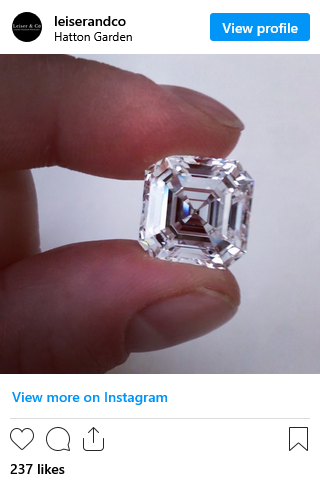
An emerald cut won’t sparkle like a round brilliant. Instead, it creates long flashes of light known as a hall-of-mirrors effect. Buyers should judge it by elegance and clarity rather than fiery sparkle.
This means shoppers need sharper eyes when buying fancy shapes. The certificate tells part of the story, but your own observation matters too.
The Relationship Between Cut and Other 4Cs
The famous 4Cs—cut, color, clarity, and carat—work together. Still, cut often acts like the lead singer in the band. Without it, the rest struggle to impress.
A slightly lower color grade with an excellent cut can look more attractive than a colorless diamond with a weak cut. The same goes for clarity. Small inclusions often hide better in a brilliant stone full of sparkle.
This is why many professionals suggest prioritizing cut first, especially for round diamonds. It gives the strongest visual return for your budget.
Carat weight can also play tricks on buyers. A poorly cut diamond may carry more weight in hidden depth rather than visible face-up size. You pay for the weight, but you don’t necessarily see it.
That’s like buying a tall cake that’s mostly frosting underneath.
How Certification Protects Buyers
Not all diamond grading reports are created equal. Trusted labs like Gemological Institute of America and American Gem Society use stricter standards than many lesser-known labs.
A diamond labeled “Excellent” by one lab may receive only “Very Good” from another. That difference can mean thousands of dollars.
Always check the certificate rather than relying only on a store label. It gives a more objective picture and helps prevent overpaying.
For online buyers, certification becomes even more important because you can’t examine the stone in person. It acts like the diamond’s report card—minus the nervous parent-teacher conference.
Finding the Best Value Without Overspending
Not everyone needs the absolute top grade. Sometimes the smartest buy sits just below the premium tier.
A Very Good cut diamond can offer excellent beauty at a lower price than an Excellent cut stone. In some lighting conditions, the difference may be nearly invisible to casual observers.
Shoppers can also balance budget by choosing slightly lower clarity or color while keeping cut quality strong. This often creates better overall value than chasing perfection in every category.
The goal shouldn’t be to buy the most expensive diamond. It should be to buy the most visually impressive diamond for your budget.
Smart buying is less about showing off and more about knowing where beauty actually lives.
Final Thoughts on Cut Grades and Pricing
Diamond cut grades do more than fill space on a certificate. They shape how a diamond performs, how it looks, and how much it costs. A strong cut transforms a stone from ordinary to unforgettable.
While carat weight grabs attention first, cut often determines whether that attention lasts. It controls sparkle, brightness, and the emotional response people have when they see the stone.
Understanding cut grades helps buyers move beyond marketing language and focus on real value. Instead of simply asking how big a diamond is, it makes more sense to ask how well it shines.
After all, a diamond should do more than sit there. It should dance with the light.