info@leiser.co.uk

Diamonds often steal the spotlight one stone at a time. A brilliant engagement ring, a striking pendant, or a family heirloom usually gets all the attention. Yet in the jewelry world, matched pairs hold a special kind of value that many buyers overlook. These pairs are not simply two diamonds placed side by side. They represent precision, rarity, and careful selection.
If you’ve ever admired a pair of diamond stud earrings that looked perfectly balanced, you were likely looking at matched pairs. The same goes for elegant drop earrings, cufflinks, and certain high-end custom designs. Matching two diamonds so closely that they appear almost identical is far more difficult than most people expect. It’s a bit like finding two snowflakes that look the same—possible, but never easy.
Understanding why matched pairs matter can help buyers make smarter choices. It can also explain why two small diamonds together may sometimes cost more than one larger stone of the same total weight.
What Are Diamond Matched Pairs?
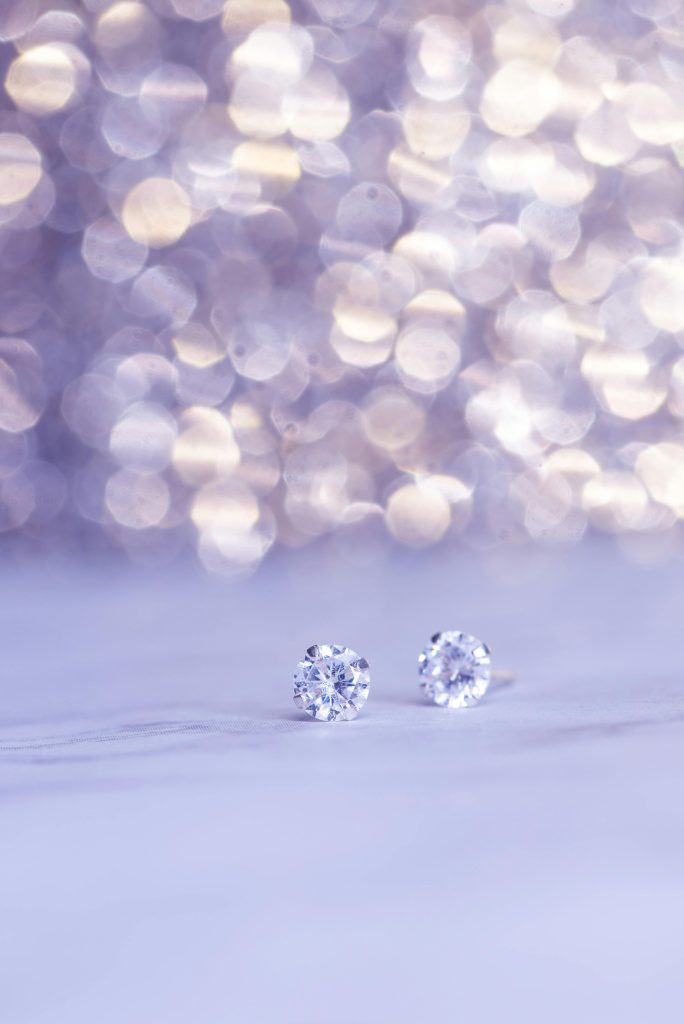
A diamond matched pair refers to two diamonds selected to closely resemble each other in key characteristics. These usually include carat weight, cut, color, clarity, shape, and overall visual appearance. The goal is harmony. When placed together, the diamonds should look like twins rather than distant cousins.
This matters most in jewelry where symmetry plays a central role. Earrings are the classic example. If one diamond appears brighter, larger, or slightly warmer in color than the other, the imbalance becomes obvious. Even someone with no gemology training can notice when something feels “off.”
Jewelers often search through many stones before finding a proper match. They don’t just rely on grading reports. They also compare the diamonds under different lighting conditions because lab numbers tell only part of the story. Two diamonds with the same listed grade can still look noticeably different in real life.
That visual consistency is what creates value.
Why Matched Pairs Are More Valuable
At first glance, buyers may assume two smaller diamonds should cost less than a single larger diamond of equal total weight. Sometimes that’s true. However, matched pairs often carry a premium because of the effort required to create them.
Imagine trying to find two books from different print runs that have the exact same shade of white pages, identical cover color, and matching paper thickness. It sounds simple until you actually try. Diamonds work the same way.
Natural diamonds form under unique geological conditions, which means no two are exactly alike. Even lab-grown diamonds, while more consistent, still require sorting for precise pairing. Jewelers must spend time sourcing and rejecting many stones before finding the right match.
This process increases labor costs and inventory challenges. A dealer may hold one diamond for months while waiting to find its ideal partner. That waiting game ties up capital, which affects pricing.
Scarcity plus precision usually equals higher value.
The Key Factors That Define a Strong Match
Not all matched pairs are created equal. Some are loosely paired for budget-friendly jewelry, while others meet strict luxury standards. Several factors shape that difference.
Carat Weight
Weight should be extremely close, especially for earrings. Even a small variation can affect how the diamonds sit and reflect light. Precision matters here because balance is both visual and physical.
Cut Quality
Cut influences brilliance more than almost anything else. Two diamonds with similar weight but different cut quality may reflect light very differently. One may sparkle like fireworks while the other looks sleepy.
That’s why expert jewelers prioritize cut heavily when creating pairs.
Color Grade
Color matching prevents one diamond from looking yellower or cooler than the other. In white diamond jewelry, even slight differences become noticeable when stones sit close together.
Clarity
Clarity affects transparency and brilliance. If one stone has visible inclusions and the other appears cleaner, the mismatch can reduce the overall appeal.
Shape and Measurements
Two round diamonds with the same carat weight may still have different millimeter sizes. Shape proportions must align closely so the pair looks balanced from every angle.
In short, the report matters—but your eyes matter too.
Natural Diamonds vs Lab-Grown Matched Pairs
The rise of lab-grown diamonds has changed the matched-pair market significantly. Buyers now have more options, especially when looking for highly consistent stones at lower price points.
Natural diamond matched pairs remain highly valued because of rarity. Finding two natural stones with near-identical characteristics can take time and expertise. That rarity supports stronger pricing, particularly in fine jewelry and resale markets.
Lab-grown matched pairs, on the other hand, often offer better affordability and easier sourcing. Manufacturers can produce stones with more predictable characteristics, which simplifies the matching process.
Still, value depends on the buyer’s goal. If the focus is long-term rarity and prestige, natural diamonds often hold stronger appeal. If the goal is appearance and budget efficiency, lab-grown pairs may offer excellent practical value.
Neither choice is automatically better. It depends on purpose, preference, and priorities.
How Certification Affects Value
Certification adds confidence, especially for higher-value matched pairs. Independent grading reports from respected laboratories help verify quality claims and reduce uncertainty.
For matched pairs, certificates also help confirm that both stones genuinely align in grading. Buyers should still view the diamonds in person when possible, but documentation creates a stronger foundation for trust.
Some premium matched pairs are sold with carefully aligned reports from recognized labs such as Gemological Institute of America or International Gemological Institute. These reports can support resale value because future buyers often prefer documented stones.
However, certification alone doesn’t guarantee beauty. A diamond can look wonderful on paper and underperform in real life. Reports guide the decision, but visual inspection finishes it.
Think of the certificate as the résumé. The diamond still has to impress in the interview.
Matched Pairs in Resale and Investment
Resale value depends heavily on condition, demand, and market trends. Matched pairs can perform well because buyers often seek ready-to-wear solutions rather than sourcing two separate stones.
A properly matched certified pair may attract stronger interest than two individual loose diamonds sold separately. This is especially true for classic stud earring sizes and timeless shapes like round brilliant or princess cuts.
Still, diamonds are not always predictable investment vehicles. Market demand shifts, and resale prices often differ sharply from retail purchase prices. Buyers should approach matched pairs primarily as luxury assets with emotional and functional value first.
If financial appreciation happens, that’s the cherry on top—not the whole cake.
How Buyers Can Evaluate Matched Pairs Wisely
When shopping for matched pairs, slow down and compare carefully. Don’t focus only on carat size or certificate labels. Look at how the diamonds perform together.
Ask to see them under daylight, showroom lighting, and softer indoor light. Observe sparkle, brightness, and face-up size. If one diamond keeps stealing the spotlight, the pair may not be as balanced as advertised.
It also helps to ask whether the stones were intentionally matched or simply grouped because they were “close enough.” There’s a world of difference between true pairing and convenient pairing.
A trusted jeweler should explain the reasoning clearly without smoke and mirrors. If the explanation feels slippery, that’s usually your answer.
Conclusion
Diamond matched pairs carry value far beyond their combined weight. They reflect craftsmanship, patience, and the art of balance. Whether used in earrings, bespoke jewelry, or investment-grade collections, these pairs represent something rare: visual harmony in a world where every diamond is naturally unique.
Buyers who understand this difference often make better decisions because they stop looking only at size and start noticing symmetry, performance, and long-term appeal. That shift matters.
After all, in fine jewelry, perfection rarely arrives alone. Sometimes, it arrives in pairs.