info@leiser.co.uk

Diamond jewelry often begins with a stone, but it becomes memorable through artistry. A diamond may hold financial value because of its cut, clarity, color, and carat weight, yet its emotional value usually comes from design. Custom diamond jewelry sits at the meeting point of craftsmanship, storytelling, and personal expression. It turns precious materials into something far more meaningful than a standard retail piece.
When someone chooses a custom design, they are not simply buying jewelry. They are shaping an idea, preserving a memory, or marking an important life event. Whether it is an engagement ring, an anniversary pendant, or a family heirloom redesign, artistry gives the piece its soul. Without that creative vision, even the finest diamond can feel ordinary.
Design as the First Creative Step
Every custom jewelry piece starts with a concept. Sometimes the idea is clear from the beginning. A client may want a ring inspired by vintage architecture, a necklace that reflects nature, or earrings that echo a family tradition. Other times, the idea begins as only a feeling. Someone may say, “I want it to feel timeless,” or “I want something bold but elegant.”
This is where artistic interpretation becomes essential. A skilled designer listens beyond the words. They translate emotion into shape, proportion, and detail. It is a little like turning music into sculpture. The customer provides the melody, and the jeweler builds the form.
Sketches often come first. These rough drawings may seem simple, but they carry the heart of the design. They help explore balance, symmetry, and visual flow before metal ever meets fire. Today, many designers also use 3D modeling software. Technology helps precision, but artistry still leads the way. A computer can show structure, yet it cannot invent beauty on its own.
The Diamond Is Part of the Story
People sometimes think the diamond should dictate the entire piece. In reality, the relationship works both ways. The setting must highlight the diamond, and the diamond must support the design vision.
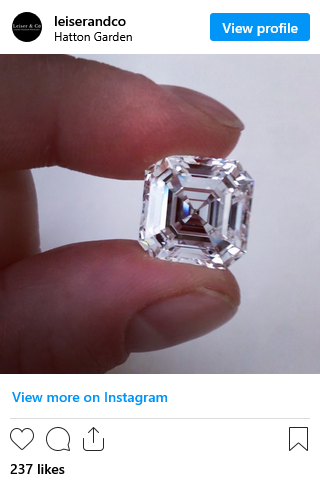
For example, an oval diamond may create softness and movement, while an emerald cut often delivers sharp elegance and quiet confidence. A marquise shape can feel dramatic, almost theatrical. Round brilliant cuts remain classic because they work beautifully in many artistic styles.
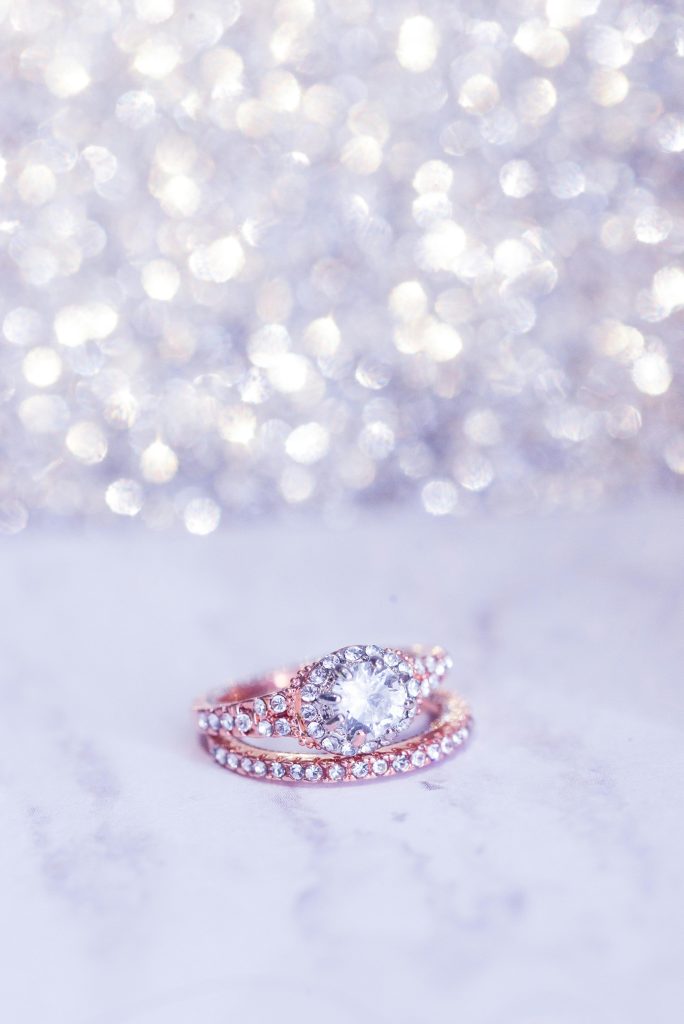
The designer studies how light moves through the stone. They consider how prongs, bezels, halos, and side stones will affect brilliance. Even a tiny change in setting height can alter the entire personality of a ring. It is much like framing a painting. A poor frame can weaken great art, while the right one makes every detail sing.
Metalwork as a Form of Sculpture
Custom diamond jewelry is not only about stones. Metalwork plays a huge artistic role. Gold, platinum, and other precious metals act as both structure and decoration. They hold the gem, but they also shape the visual identity of the piece.
Think about the difference between a sleek platinum solitaire and a yellow gold ring with hand-engraved floral patterns. Both may feature the same diamond, yet they tell completely different stories. One whispers modern minimalism. The other speaks with vintage romance.
Jewelry artisans often carve wax models by hand before casting the final piece. This stage demands patience and vision. Tiny curves, hidden details, and subtle proportions matter more than most people realize. A ring that looks effortless often required dozens of careful adjustments behind the scenes.
True craftsmanship hides its own labor. Like a great stage performance, the audience sees grace, not the rehearsal.
Hand Engraving and Fine Detail
Small details often create the strongest emotional response. Hand engraving, milgrain edges, filigree work, and hidden gemstone accents transform jewelry from beautiful to unforgettable.
These elements require both technical skill and artistic sensitivity. Hand engraving, for example, cannot be rushed. Each line must feel intentional. Patterns must flow naturally with the structure of the jewelry. If done poorly, decoration feels crowded. If done well, it feels like part of the piece’s natural language.
Some clients request initials, meaningful dates, or symbolic motifs such as stars, vines, or waves. Others prefer hidden details only they know exist, like a birthstone placed beneath the center diamond. These touches create intimacy. They remind us that luxury is not always loud. Sometimes it whispers.
Balancing Beauty and Wearability
Art must also function. A dramatic design may look stunning in a sketch, but if it catches on clothing every day, frustration quickly replaces admiration. Custom jewelry needs both elegance and practicality.
This balance separates good design from great design. A designer must think about how the piece feels on the hand, wrist, neck, or ear. They consider weight, comfort, durability, and daily use. Engagement rings, for example, must survive ordinary life. They need beauty, yes, but they also need resilience.
A ring worn every day should not feel like carrying a chandelier on your finger. It should feel natural, almost like it belongs there.
That blend of beauty and usability is where artistry becomes intelligent rather than decorative.
Cultural Influence and Personal Identity
Artistry in jewelry often reflects culture. Design traditions from India, the Middle East, Europe, and East Asia each bring distinct visual languages. Intricate gold work, symbolic patterns, and gemstone placement can carry generations of meaning.
Custom diamond jewelry allows people to honor those traditions while creating something personal. A bride may want a modern ring that still reflects her family heritage. A pendant may combine old family diamonds with a contemporary setting. These choices create bridges between past and present.
Jewelry becomes more than adornment. It becomes identity made visible.
This emotional depth explains why heirloom redesigns are so powerful. Taking a grandmother’s brooch and transforming it into a modern necklace does not erase history. Instead, it gives history a new voice.
The Emotional Signature of Handmade Work
Mass-produced jewelry can be beautiful, but it often lacks emotional texture. Custom work carries fingerprints, decisions, revisions, and intention. It tells a story of collaboration between client and creator.
That process matters. A person remembers the conversations, the design choices, and the anticipation. They remember choosing the side stones or changing the band shape three times before it finally felt right. Those memories become part of the final object.
It is similar to cooking a family recipe instead of ordering takeout. Both may satisfy hunger, but only one carries memory and meaning.
Handmade jewelry also reflects the maker’s style. Some jewelers are known for architectural precision. Others specialize in romantic softness or antique-inspired detail. Their artistic signature becomes part of the finished work, much like a painter’s brushstroke.
Technology Supports Art but Does Not Replace It
Modern jewelry design has changed with technology. CAD programs, laser welding, and advanced gem-setting tools improve accuracy and efficiency. They reduce errors and open creative possibilities that were once difficult to achieve.
Still, technology is a tool, not the artist.
A perfect digital model can still produce a lifeless design if no creative thought guides it. Artistry remains the difference between something technically correct and something emotionally powerful. People rarely fall in love with precision alone. They fall in love with meaning.
The best custom jewelers use technology like a pianist uses a piano. The instrument matters, but the music comes from the person behind it.
Why Artistry Adds Lasting Value
Custom diamond jewelry often carries a higher price than ready-made pieces. That difference does not come only from labor or materials. It comes from originality. It comes from the creative process itself.
A custom piece cannot be replaced by simply walking into another store. Its value includes uniqueness, symbolism, and design integrity. Even years later, people often remember why it was made and what it represented.
That lasting connection gives artistry real economic and emotional weight. Jewelry becomes more than an accessory. It becomes a personal artifact.
In many cases, the artistic design may influence resale appeal as well, especially when the craftsmanship is exceptional. Collectors and buyers often recognize pieces that show strong design identity and superior handwork.
Conclusion
The role of artistry in custom diamond jewelry goes far beyond decoration. It shapes emotion, function, identity, and memory. Diamonds may provide brilliance, but artistry gives them character. It transforms raw beauty into personal significance.
From the first sketch to the final polish, every creative decision matters. The curve of a band, the hidden engraving, the choice of metal, and the way light touches the stone all contribute to the final story.
In the end, custom diamond jewelry is not simply worn. It is experienced. It becomes a small work of art that travels through daily life, carrying beauty and meaning side by side.