info@leiser.co.uk

For centuries, families have looked for reliable ways to preserve wealth across generations. Some chose land. Others trusted gold, fine art, or rare collectibles. Diamonds often entered that conversation for a simple reason: they combine beauty with concentrated value. A small stone can represent a significant financial asset, which makes it easier to store, protect, and pass down.
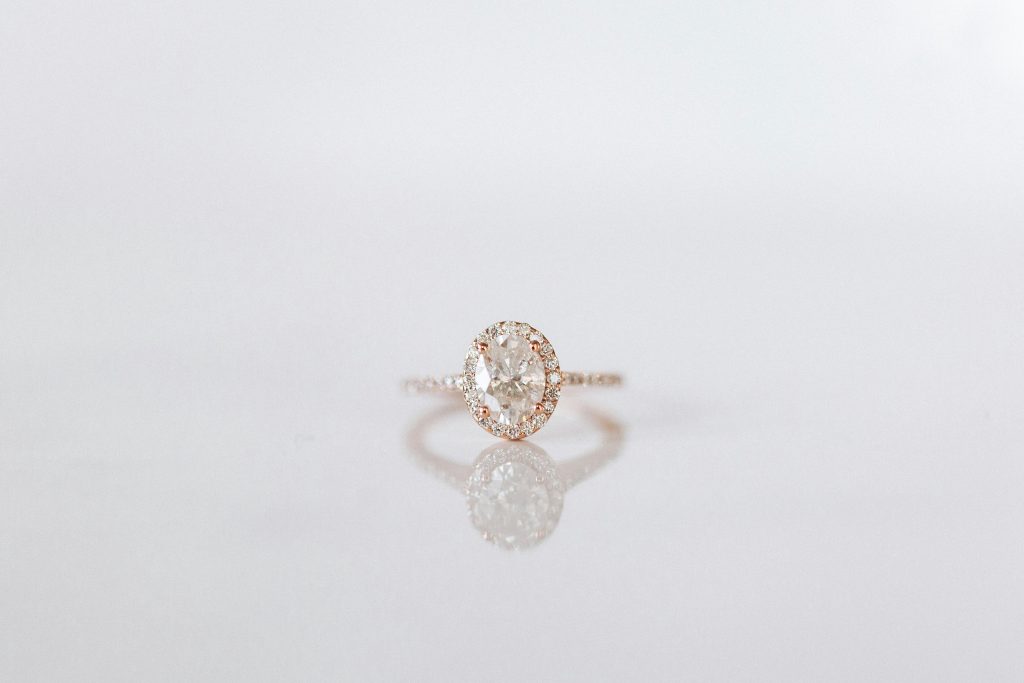
Yet diamonds are more than sparkling heirlooms tucked away in velvet boxes. In many families, they serve as emotional and financial bridges between the past and the future. A grandmother’s engagement ring may carry memories, family history, and market value all at once. That combination gives diamonds a unique place in wealth planning. They are not just assets. They are stories with substance.
Understanding diamonds as generational wealth transfers requires more than admiring their shine. You need to look at valuation, inheritance planning, market demand, and long-term preservation. Like any asset, diamonds have strengths and limitations. Knowing both helps families make smarter decisions.
Why Diamonds Are Seen as Portable Wealth
Few assets travel as easily as diamonds. A large property requires paperwork, taxes, and ongoing maintenance. A diamond of substantial value can fit in the palm of your hand. That portability has made diamonds attractive across cultures, especially during times of political uncertainty, migration, or economic instability.
Historically, families often used gemstones as “silent wealth.” They could be carried discreetly across borders or preserved during periods when currencies lost value. While modern financial systems have changed how people manage wealth, that old logic still influences how many view diamonds today.
Think of it like carrying an entire savings account in a ring box. That idea appeals to people who value privacy and flexibility. However, portability alone does not guarantee strong investment value. The quality of the stone matters deeply. A poorly chosen diamond may be easy to carry but difficult to sell at a fair price.
Because of this, families who treat diamonds as wealth transfers often focus on high-quality stones with strong certification, stable market demand, and timeless appeal rather than trendy or highly customized pieces.
The Emotional Power of Inherited Diamonds
Money talks, but memory whispers louder. One reason diamonds remain powerful inheritance tools is their emotional weight. Cash gets deposited. Stocks get transferred. Diamonds get remembered.
When someone inherits a diamond necklace or engagement ring, they often inherit a family narrative. They remember who wore it at weddings, anniversaries, or milestone celebrations. That emotional layer changes how people value the item. It becomes more than a financial object. It becomes part of identity.
This emotional value can also strengthen family continuity. A diamond passed from mother to daughter may symbolize trust, tradition, and shared history. In some cultures, such transfers carry formal social importance. In others, the meaning is deeply personal and private.
Still, emotional value can complicate financial decisions. A family member may refuse to sell a piece even when market conditions are favorable. Another may overestimate its monetary worth because of sentimental attachment. The heart and the market do not always agree, and that tension deserves careful thought.
Quality Determines Long-Term Wealth Potential
Not all diamonds age equally in the financial sense. Some hold value well over time, while others struggle in resale markets. Families hoping to transfer wealth through diamonds should understand that quality drives this difference.
The well-known “Four Cs” — cut, color, clarity, and carat weight — remain central. A diamond with excellent cut, strong clarity, desirable color, and substantial size tends to attract stronger long-term interest. Certification from respected gemological institutions also adds confidence and liquidity.
Imagine buying two watches. One is from a trusted luxury maker with complete papers. The other looks nice but has no proof of origin. Which one would buyers trust more years later? Diamonds work much the same way.
Natural diamonds with recognized grading reports often perform better as legacy assets than uncertified stones or heavily commercial jewelry. Designer branding may add appeal, though intrinsic quality usually matters more than the logo on the box.
Families should also understand that resale prices rarely match retail purchase prices. Jewelry store markups can be significant. A diamond bought for emotional reasons may still be wonderful, but it may not behave like a textbook investment.
Estate Planning and Legal Considerations
Passing down diamonds sounds romantic until paperwork enters the room. Then it becomes real.
Generational wealth transfer works best when legal planning supports it. Without clear documentation, inherited diamonds can create confusion, family disputes, or tax complications. Questions arise quickly: Who owns the piece? Was it promised to someone? Has it been professionally valued? Is it insured?
Estate planning helps answer these questions before emotions run high. Wills, trusts, and detailed asset records create clarity. Professional appraisals also matter because diamond values can shift over time. An outdated valuation may lead to unfair division or tax issues during inheritance.
For example, one sibling may inherit a ring while another receives cash. Without a current appraisal, both may feel the arrangement is unequal. Suddenly, Thanksgiving gets awkward.
Photographs, certificates, receipts, and ownership records should remain organized and accessible. This may sound unglamorous, but good records protect both financial value and family relationships.
Cross-border inheritance can add another layer of complexity. Customs laws, inheritance taxes, and ownership verification may differ by country. In those cases, expert legal and financial guidance becomes especially important.
Natural Diamonds vs. Lab-Grown Diamonds in Legacy Planning
The rise of lab-grown diamonds has changed the conversation around inherited jewelry. They offer beauty, affordability, and ethical appeal for many buyers. However, when the goal is generational wealth transfer, the financial discussion becomes more nuanced.
Natural diamonds traditionally hold stronger resale recognition because scarcity supports long-term demand. Lab-grown diamonds, while visually similar, can face steeper value declines as production increases and prices continue to adjust downward.
That does not mean lab-grown diamonds lack value. They can carry enormous sentimental importance and still become treasured family pieces. Yet from a pure wealth preservation perspective, families often evaluate them differently.
It is a little like comparing an original painting to a high-quality modern print. Both may be beautiful. One usually carries stronger collector value.
When planning legacy assets, clarity matters. Future heirs should understand what they are receiving, including whether a stone is natural or lab-grown. Transparency avoids confusion and protects trust within the family.
Cultural Traditions and Symbolic Wealth
Across the world, diamonds and precious jewelry often play a role far beyond personal style. They represent security, family honor, and social continuity. In many households, jewelry functions almost like a parallel savings system.
Bridal jewelry provides one of the clearest examples. In some traditions, diamond and gold pieces given during marriage are not just decorative gifts. They serve as financial safeguards, especially for women. These assets may offer stability during difficult life transitions or economic hardship.
Families also use diamonds to mark milestones such as births, graduations, anniversaries, and leadership transitions within family businesses. Each gift becomes both symbolic and strategic.
This cultural dimension explains why some families hold diamonds for generations without ever viewing them as “investments” in the strict financial sense. The value lies in security, status, and continuity. Wealth is not always measured by spreadsheets. Sometimes it sits quietly in a velvet pouch, waiting for the next chapter.
Risks and Limitations of Using Diamonds as Wealth Transfers
Diamonds may glitter, but they are not magic. They come with risks, and ignoring them can lead to disappointment.
Liquidity is one major challenge. Selling a diamond quickly at full value is often difficult. Unlike publicly traded stocks, diamonds do not have a single transparent daily market price. Offers vary by buyer, certification, condition, and market demand.
Valuation can also be subjective. Two buyers may price the same stone differently depending on purpose and market conditions. Insurance, secure storage, and authentication add ongoing responsibilities.
There is also the issue of taste. Jewelry styles change. A dramatic ring from 1985 may feel timeless to one person and impossible to wear for another. In some cases, resetting the stone preserves both value and usability.
Finally, emotional conflict can turn inheritance into family tension. When one item carries both money and memories, disagreements can feel deeply personal. Clear communication helps prevent a diamond from becoming a family soap opera.
Balancing Sentiment and Strategy
The strongest wealth transfers often balance emotion with practicality. A diamond should not be viewed only as an investment or only as a sentimental object. Its true strength often comes from holding both roles at once.
Families who plan well ask thoughtful questions. Is this piece meant to be worn, preserved, or eventually sold? Should it remain with one person or rotate through generations? Does the next generation understand its history and value?
These conversations may feel uncomfortable at first, but they create clarity and reduce future misunderstandings. Silence rarely protects legacy. Good planning does.
A diamond can symbolize love, resilience, and financial wisdom all in one object. That is rare. Very few assets can sit in a jewelry box and still shape family history decades later.
Conclusion
Diamonds as generational wealth transfers occupy a fascinating space between finance and emotion. They are compact assets with lasting symbolic power, capable of carrying both economic value and family identity across decades.
Their success as legacy tools depends on quality, documentation, transparency, and realistic expectations. Not every diamond becomes a strong financial asset, but the right piece, handled wisely, can serve as both inheritance and memory.
In the end, diamonds do not simply pass from hand to hand. They pass from story to story. That may be their greatest value of all.