info@leiser.co.uk

When people hear the word “diamond,” they often picture a large sparkling center stone sitting proudly on an engagement ring. However, much of the diamond jewelry market runs on something far smaller. These tiny stones, known as melee diamonds, may not steal the spotlight individually, yet they quietly shape the entire jewelry industry.
Melee diamonds are the supporting cast that often makes the star shine brighter. They add brilliance, texture, and luxury to rings, bracelets, necklaces, earrings, and watches. Without them, many jewelry designs would feel incomplete. Their role is subtle but powerful, much like salt in cooking—you may not notice it immediately, but you’d definitely miss it if it were gone.
Understanding melee diamonds helps buyers, sellers, and collectors make smarter decisions. It also reveals how these small stones influence pricing, manufacturing, and global diamond trade in ways many people never realize.
What Are Melee Diamonds?
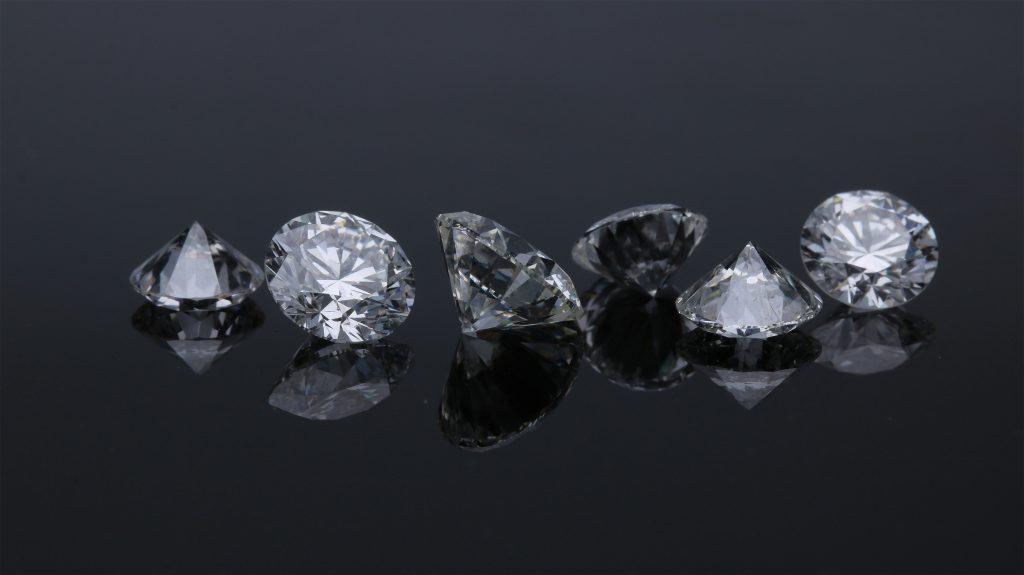
Melee diamonds are small diamonds that usually weigh less than 0.18 carats each. Most are much smaller, often measuring under 2 millimeters in diameter. Jewelers commonly use them as accent stones rather than centerpieces.
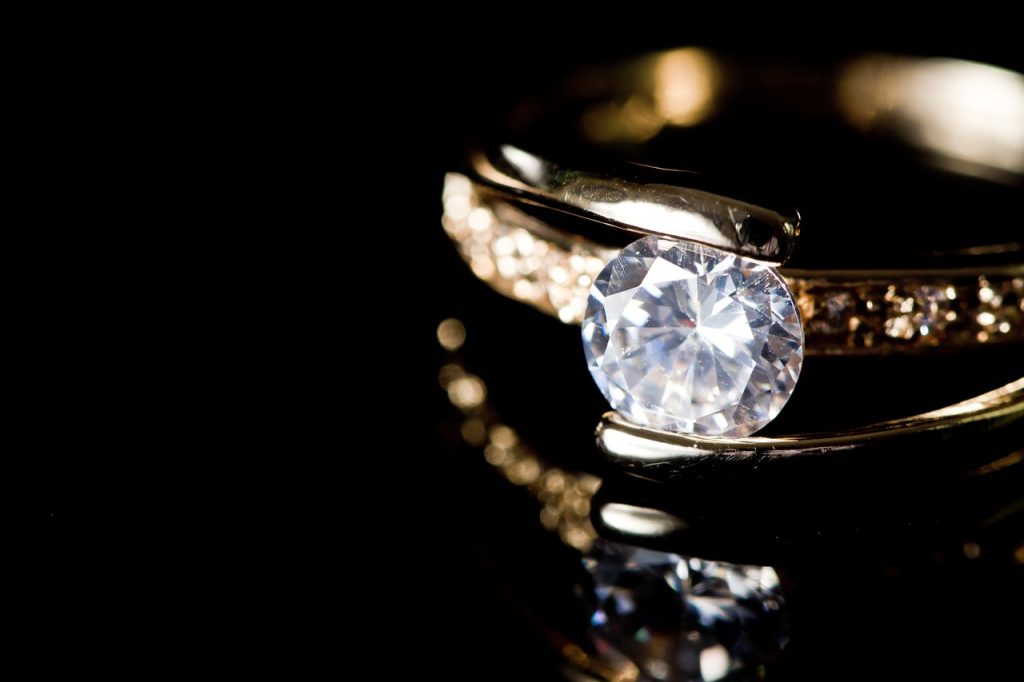
You’ll often find melee diamonds surrounding a larger center diamond in halo rings or lining the band in pavé settings. They create sparkle across a surface rather than drawing attention to one single point. Think of them as the glittering chorus behind the lead singer.
These diamonds can be round, princess-cut, baguette, or other shapes depending on design needs. Round brilliant cuts remain the most common because they maximize sparkle and fit easily into many settings.
Even though they are small, melee diamonds still follow grading principles related to cut, color, clarity, and carat weight. However, they are often sorted in groups rather than graded individually like larger stones.
How Melee Diamonds Differ from Larger Stones
The biggest difference between melee diamonds and larger diamonds lies in how the market values them. A one-carat solitaire diamond gets judged stone by stone. Its certification, proportions, and visual performance matter deeply.
Melee diamonds work differently. They are typically sold in parcels, matched by size, color, and clarity. Jewelers buy hundreds or even thousands at once rather than selecting each stone individually.
Imagine buying apples. For a special gift basket, you inspect one perfect apple. For a bakery, you buy crates of good, consistent apples. That’s the difference.
Because of this bulk approach, melee diamonds rely heavily on consistency. One poorly matched stone can disrupt the visual harmony of an entire piece. Uniformity matters just as much as quality.
Their value also depends more on labor and sorting efficiency. Since the stones are tiny, the work required to cut, grade, and set them can significantly affect cost.
The Importance of Melee Diamonds in Jewelry Design
Jewelry designers love melee diamonds because they create visual drama without requiring massive center stones. A modest diamond ring can look luxurious when framed by carefully placed melee stones.
Halo settings are a perfect example. A small center diamond can appear much larger when surrounded by a circle of bright melee diamonds. It’s a clever optical illusion and one that buyers often appreciate.
Pavé settings use rows of melee diamonds across the surface of a ring or bracelet, producing a continuous sparkle effect. This creates what many people call the “diamond dust” look—soft, constant brilliance rather than one dramatic flash.
Luxury watches also rely heavily on melee diamonds. The dial, bezel, and bracelet may feature dozens or hundreds of tiny stones. In these cases, melee diamonds become part of the brand identity and visual prestige.
Without melee diamonds, many high-end designs would feel like a stage with no lighting.
How the Global Market Handles Melee Diamonds
The melee diamond trade is a major part of the international diamond business. These stones move through large supply chains involving mining companies, cutting centers, wholesalers, and jewelry manufacturers.
Countries like India play a central role, especially in cutting and polishing. Surat, for example, has become famous for processing enormous volumes of small diamonds. Skilled workers handle stones so tiny they could disappear under a fingernail.
Manufacturers need precision and speed. Sorting melee diamonds by size, color, and clarity requires both human expertise and advanced technology. One parcel may contain thousands of stones, and consistency is everything.
Because melee diamonds are produced and traded in volume, even small price shifts can affect the wider jewelry market. A slight increase in supply costs can ripple through retail pricing worldwide.
They may be tiny, but economically, they punch far above their weight.
Natural vs Lab-Grown Melee Diamonds
Lab-grown diamonds have changed the melee market significantly. Since melee stones are often purchased in bulk, manufacturers pay close attention to cost. Lab-grown options can offer lower prices and strong visual consistency.
For fashion jewelry and commercial production, this can be very attractive. Consumers may receive more sparkle for less money, especially in pieces where the center stone matters less than the overall look.
Natural melee diamonds still hold strong value in luxury and fine jewelry markets. Many buyers prefer natural origin for tradition, rarity, and long-term perception of prestige.
The distinction matters most in transparency. Buyers should know whether their jewelry contains natural or lab-grown melee diamonds. Honest disclosure protects trust and supports informed decisions.
This part of the market continues to evolve quickly. Some brands embrace both options, while others stay firmly on one side of the fence.
Challenges in Pricing Melee Diamonds
Pricing melee diamonds can feel surprisingly complex. Since individual certification is uncommon, buyers rely heavily on supplier reputation and parcel quality.
Several factors shape value:
- Size consistency
- Color matching
- Clarity range
- Cut precision
- Origin (natural or lab-grown)
- Availability in the market
- Brand and sourcing standards
Ethical sourcing has also become more important. Buyers increasingly ask where diamonds come from and whether they meet responsible sourcing standards. This matters for melee stones just as much as for large diamonds, even if they receive less public attention.
Another challenge involves visibility. Because melee diamonds are small, some buyers assume they don’t matter much. In reality, poor-quality melee can make an expensive jewelry piece look dull or uneven.
Sometimes the smallest details carry the loudest message.
Why Consumers Should Understand Melee Diamonds
If you’re buying diamond jewelry, understanding melee diamonds helps you look beyond the headline number. Many people focus only on the center stone and ignore the dozens of smaller diamonds surrounding it.
That can be a mistake.
The sparkle you notice first may come from the melee, not the centerpiece. Poorly matched accent stones can weaken the overall beauty of a ring, while excellent melee can elevate even a modest design.
This knowledge also helps during resale or appraisal. Jewelry with high-quality, well-matched melee diamonds may hold stronger market appeal, especially in branded or designer pieces.
It’s a bit like buying a house. You notice the front door first, but the real value often hides in the structure, the details, and the craftsmanship behind the walls.
In diamond jewelry, melee stones are often that hidden architecture.
Conclusion
Melee diamonds may be small, but their market role is enormous. They shape jewelry design, influence manufacturing costs, support luxury branding, and drive a major segment of global diamond trade.
They are not merely decorative extras. They are strategic components that affect beauty, value, and commercial success across the industry.
Whether natural or lab-grown, high-end or commercial grade, melee diamonds deserve more attention than they usually receive. They are proof that in the diamond world, size isn’t everything.
Sometimes the smallest stones carry the brightest story.