info@leiser.co.uk

Few objects stir fascination quite like diamonds worn by royalty. A gemstone placed in a crown, necklace, or ceremonial brooch often becomes more than jewelry—it turns into a symbol of power, heritage, and national identity. Royal collections have shaped public taste for centuries, influencing how people view beauty, rarity, and prestige in the diamond market.
When you look at famous royal diamonds, you’re not just seeing sparkle. You’re seeing history wrapped in light. These stones often traveled through wars, marriages, colonial trade routes, and political change. Because of that, they carry stories that ordinary diamonds simply can’t match.
Collectors, investors, and jewelers pay close attention to royal collections because they often set trends. A diamond associated with a queen or a royal family can suddenly become the blueprint for luxury demand. One tiara can move an entire market. That kind of influence is rare, but in the diamond world, it happens more often than you’d think.
Historical Roots of Royal Diamond Ownership
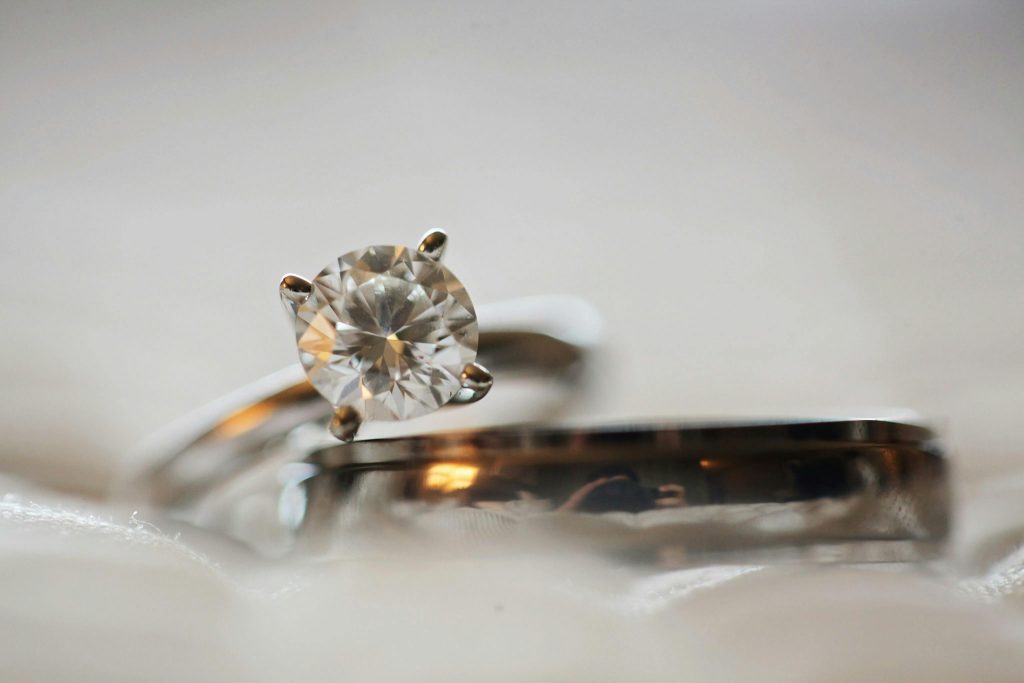
Royal families have collected diamonds for hundreds of years, long before modern jewelry stores existed. In earlier centuries, diamonds were difficult to mine and even harder to cut. Only monarchs, emperors, and the wealthiest nobles could afford them.
Kings and queens used diamonds as political tools as much as decorative pieces. A diamond necklace might seal a diplomatic marriage. A jeweled crown could signal divine authority. In some cases, rulers displayed gemstones to prove economic strength, almost like wearing the national treasury on their head.
For example, India played a major role in early diamond history because it supplied many of the world’s famous historic stones before African mines transformed the industry. Several royal diamonds in European collections trace their origins back to Indian mines, carrying layers of cultural and colonial complexity.
This historical concentration of ownership created a powerful idea: diamonds equal status. That belief still drives modern consumer behavior today.
Famous Royal Diamonds and Their Cultural Power
Some diamonds have become celebrities in their own right. They don’t need introductions. Their names alone create headlines.
The Koh-i-Noor is perhaps the most debated example. Its long journey through South Asian empires and into the British Crown Jewels made it one of the most politically charged diamonds in the world. Discussions about ownership continue today, proving that diamonds can carry diplomatic weight long after they are mined.
The Cullinan Diamond offers another striking case. After its discovery in South Africa, it was cut into several major stones, many of which became part of British royal regalia. These gems helped reinforce the image of royal grandeur during a time when empire and symbolism walked hand in hand.
Then there are royal engagement rings. When a princess wears a sapphire and diamond ring, people notice. When that ring enters public imagination, jewelers around the world start receiving similar requests by Monday morning. Fashion moves fast, but royal influence can move faster.
How Royal Collections Shape Consumer Demand
People don’t always buy diamonds because of technical grading reports. Often, emotion leads the decision. Royal collections fuel that emotional connection beautifully.
When consumers see royal weddings, coronations, or public ceremonies, they absorb visual cues. Large center stones, vintage cuts, halo settings, and ornate tiaras create aspiration. Buyers may not want the exact same piece, but they want the feeling attached to it.
This is where market influence becomes practical. Jewelers respond by adjusting inventory. Designers create “royal-inspired” collections. Auction houses highlight aristocratic provenance because buyers pay premiums for stories, not just carat weight.
Think of it like fashion after a red carpet event. Except with royal diamonds, the effect lasts longer. Trends born from monarchy often feel timeless rather than seasonal.
Vintage-style engagement rings, old mine cuts, and heirloom settings all gained stronger consumer interest because royal aesthetics made them desirable again. In short, crowns whisper and the market listens.
Auction Houses and the Premium of Provenance
In the diamond trade, provenance can be pure gold—or perhaps pure platinum. A stone linked to royalty often commands a far higher price than a similar gem without that background.
Auction houses understand this perfectly. If a diamond once belonged to a duchess, queen, or imperial family, that detail becomes the headline. Buyers are not just purchasing carbon arranged under pressure. They are buying access to legacy.
Imagine two necklaces with nearly identical diamonds. One comes from a private estate. The other belonged to a royal figure photographed at state banquets for decades. The second piece will likely attract stronger bidding, sometimes dramatically so.
This premium exists because provenance reduces anonymity. Luxury buyers love narrative. A royal connection offers exactly that—a ready-made story with glamour attached.
It also adds trust. Historical documentation, exhibition records, and royal archives can strengthen authenticity. In a market where confidence matters, paperwork can sparkle almost as brightly as the stone itself.
Royal Style and the Luxury Branding Effect
Luxury brands often borrow visual language from royal collections because it works. Consumers associate royal aesthetics with legitimacy, tradition, and permanence.
Design houses create campaigns inspired by tiaras, coronation jewels, and palace settings. Even the words matter. Terms like “regal,” “imperial,” and “crown collection” appear frequently because they trigger emotional associations with exclusivity.
This branding strategy isn’t accidental. It taps into centuries of cultural conditioning. If royalty wore diamonds to symbolize permanence and prestige, modern buyers still absorb that message, even subconsciously.
Brands also benefit from royal endorsements, whether formal or informal. A public appearance featuring a specific jeweler can raise visibility overnight. One photograph can do what months of advertising struggle to achieve.
Luxury marketing often sells dreams. Royal diamonds happen to come with castles included.
Ethical Questions Behind Royal Diamond Collections
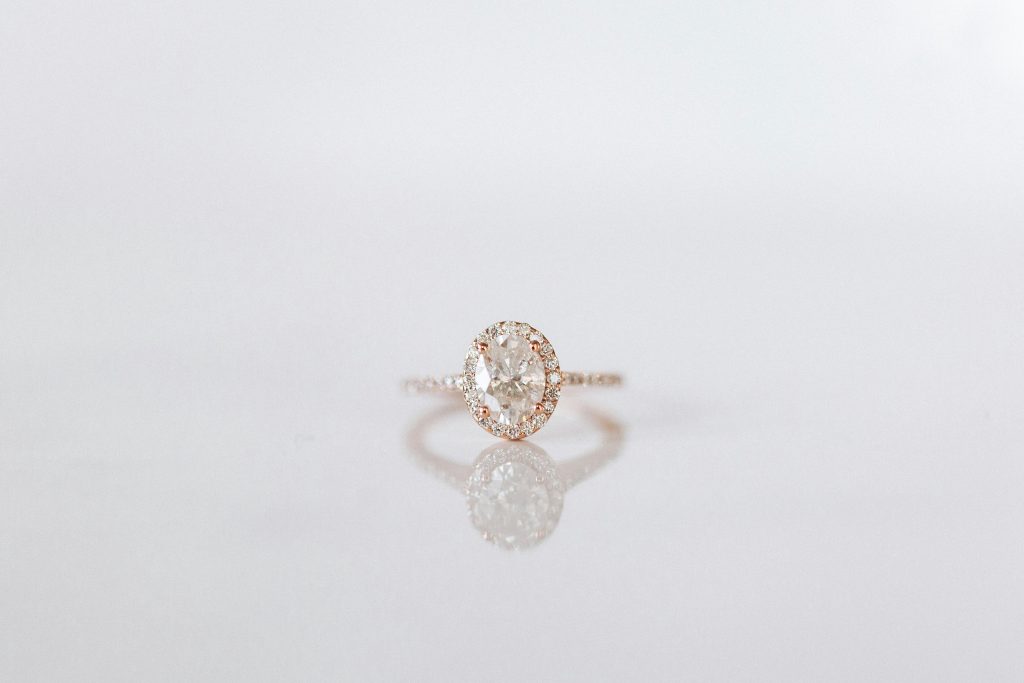
Not all royal diamond stories shine comfortably. Many historic stones raise serious ethical questions involving colonial extraction, forced labor, and disputed ownership.
As consumers become more aware of sourcing issues, these conversations matter more. Some famous diamonds remain controversial because their acquisition reflected unequal power structures rather than fair exchange.
This creates tension in the market. On one hand, royal provenance increases value. On the other, ethical concerns can challenge how that value is perceived. Museums, governments, and collectors increasingly face questions about restitution and historical accountability.
Modern buyers, especially younger luxury consumers, often want transparency alongside beauty. They may admire royal craftsmanship while questioning how certain stones entered those collections.
The diamond market now balances romance with responsibility. That balancing act is not simple, and frankly, it shouldn’t be.
Modern Royal Collections and Contemporary Influence
Today’s royal families still influence the market, though in subtler ways. Public appearances remain powerful, especially in the age of instant global media.
A royal wedding can spark worldwide demand for specific cuts or settings within hours. Vintage heirloom pieces worn by modern royals often encourage renewed interest in antique jewelry rather than newly mined stones. Sustainability conversations also play a role, as heirloom diamonds appeal to buyers seeking both history and reduced environmental impact.
Contemporary royals also reflect changing values. Simpler settings, meaningful family stones, and repurposed heirloom jewels send a different message than extravagant displays of the past. Luxury no longer always means bigger. Sometimes it means deeper meaning.
This shift affects the market by increasing appreciation for craftsmanship, heritage, and personal symbolism over sheer size.
The crown may look lighter these days, but its influence remains surprisingly heavy.
The Lasting Connection Between Royalty and Diamond Value
Royal collections continue to shape the diamond world because they combine rarity, storytelling, and public imagination in one glittering package. They remind buyers that diamonds are never just geological objects. They are cultural artifacts.
From ancient crowns to modern engagement rings, royal diamonds influence pricing, design trends, auction strategies, and consumer desire. They act like mirrors, reflecting what each era values most—power, romance, heritage, or ethical responsibility.
If diamonds are forever, royal diamonds are forever with excellent public relations.
That lasting visibility ensures their market influence won’t disappear anytime soon. As long as people remain fascinated by crowns, palaces, and the stories behind famous stones, royal collections will continue to shape how the world buys, values, and dreams about diamonds.