info@leiser.co.uk

Buying or selling diamonds across borders is rarely as simple as checking a price list and shaking hands. International diamond markets move fast, and prices can shift with currency changes, shipping costs, certification standards, political events, and buyer demand. One dealer in Antwerp may quote a very different price from a trader in Dubai, even for stones that look nearly identical on paper.
That’s why negotiation matters so much. In global diamond trading, price is rarely fixed. It’s often a conversation, sometimes a long one, shaped by trust, timing, and knowledge. If you walk into that conversation unprepared, you may pay too much or sell for less than the stone deserves.
Successful negotiation doesn’t mean pushing aggressively or trying to “win” every deal. It means understanding value clearly, asking the right questions, and knowing when to move forward or walk away. Like chess, not checkers, every move should have a reason. Let’s explore how diamond price negotiations work in international markets and what helps create stronger outcomes.
Understand the True Value Before Discussing Price
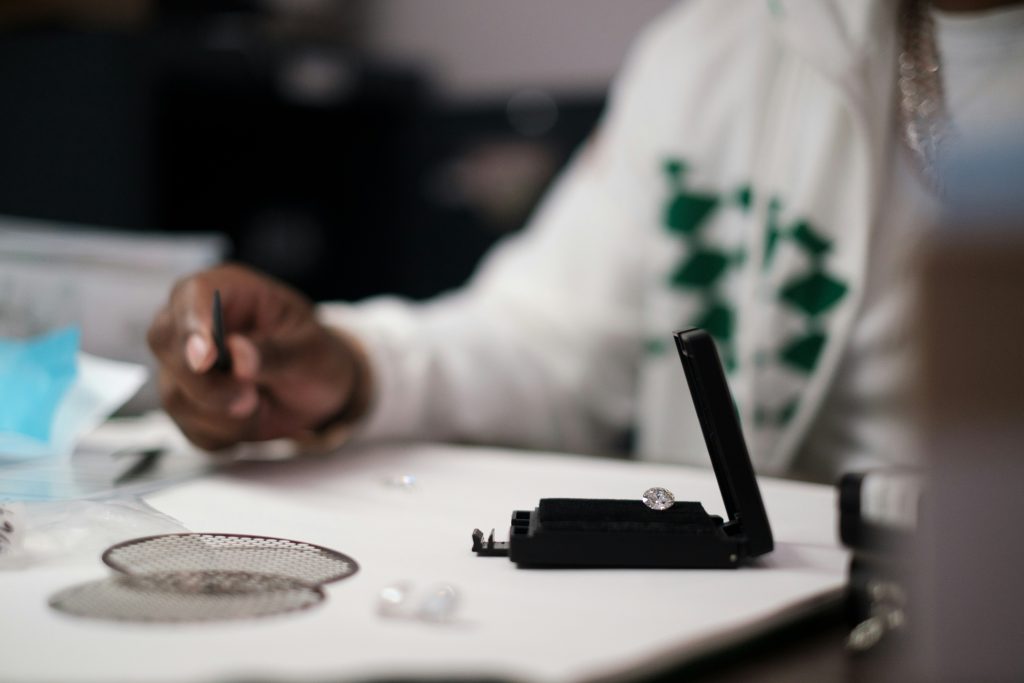
Before any negotiation begins, you need a solid understanding of what the diamond is actually worth. This sounds obvious, yet many buyers focus only on the asking price instead of the full value picture.
The traditional starting point is the 4Cs: cut, color, clarity, and carat weight. However, international markets add more layers. Certification from respected laboratories such as the Gemological Institute of America (GIA) often carries stronger global trust than lesser-known labs. Fluorescence, shape popularity, and even country-specific preferences can also affect value.
For example, round brilliant diamonds may command stronger demand in the United States, while fancy shapes may perform differently in parts of Asia or the Middle East. A stone that moves quickly in one market may sit quietly in another.
Research recent market conditions as well. Diamond prices are influenced by mining supply, luxury demand, and even wedding trends. A buyer who understands current sentiment enters negotiations with confidence instead of guesswork.
Knowledge is leverage. Without it, negotiation becomes expensive guesswork.
Know the Difference Between Asking Price and Transaction Price
One of the biggest mistakes in international diamond trading is treating the listed price as the final truth. It usually isn’t.
Sellers often begin with an asking price that leaves room for negotiation. This is common practice, especially in wholesale and cross-border trading. The real goal is discovering the transaction price—the number both sides can accept.
Think of it like buying a house. The listing price starts the conversation, but the sold price tells the real story.
Diamond price sheets such as Rapaport can provide reference points, but they are not guarantees. Traders often negotiate discounts or premiums based on demand, stone quality, and relationship history. Two diamonds with identical grading reports may still close at different prices.
If you rely only on list prices, you may misunderstand the market. Instead, try to learn recent deal ranges through trusted contacts, dealers, and auction results. The closer you get to real transaction data, the stronger your negotiating position becomes.
Build Relationships Before You Push for Discounts
In international diamond markets, relationships often speak louder than spreadsheets. People prefer doing business with traders they trust, especially when transactions involve high-value stones and international logistics.
A buyer who immediately demands the lowest possible price may save a little today but lose access tomorrow. On the other hand, someone who communicates clearly, pays on time, and respects the seller’s position often receives better opportunities over time.
Trust reduces friction. It also reduces risk.
For example, a dealer may offer flexible payment terms, early access to premium inventory, or better negotiation room for a long-term client. These advantages rarely appear in the first meeting. They grow through consistency.
Negotiation should feel like cooperation, not combat. You’re not trying to squeeze blood from a diamond. You’re building a commercial bridge strong enough for future deals.
Polite persistence usually works better than aggressive pressure.
Use Timing as a Strategic Advantage
Timing can change the entire outcome of a negotiation. In diamond trading, the calendar matters more than many people realize.
Demand often rises before major wedding seasons, holiday periods, and cultural festivals. Sellers may hold firmer prices during these times because buyers are more active. In quieter periods, especially after peak seasons, negotiation flexibility often increases.
Economic timing matters too. Currency fluctuations can create opportunities. If the seller operates in a market where the local currency weakens against the US dollar, they may accept stronger negotiations from international buyers paying in dollars.
Trade events and jewelry exhibitions also influence urgency. Sellers may want to move inventory before a major show or improve cash flow after one.
Patience can be profitable. Rushing into a deal because a stone “looks perfect” sometimes leads to unnecessary premiums.
Sometimes the smartest negotiation tactic is waiting one more week.
Ask Better Questions Instead of Making Fast Offers
Strong negotiators don’t begin with a number. They begin with questions.
Asking thoughtful questions reveals flexibility, motivation, and possible weaknesses in the deal. Why is this stone available now? How long has it been in inventory? Is there urgency to sell? Has another buyer shown interest? What payment terms are preferred?
These questions uncover more than price. They expose context.
For instance, if a seller has held a diamond for several months, they may prioritize liquidity over maximum margin. If shipping deadlines are approaching, they may accept a faster close instead of a higher number.
Questions also prevent emotional buying. Diamonds are beautiful, and beauty can make people financially reckless. A calm conversation helps replace excitement with strategy.
The person asking the better questions usually controls the negotiation.
Factor in Hidden Costs Beyond the Stone
International diamond pricing doesn’t stop at the stone itself. A cheap diamond can become an expensive mistake once additional costs appear.
Import duties, customs clearance, insurance, shipping security, taxes, certification verification, and currency conversion fees all affect the final number. Some countries also apply luxury taxes or special import regulations for precious stones.
A diamond priced attractively in one country may become less competitive after transport and compliance costs are added.
Imagine buying a discounted luxury car overseas, only to discover the shipping and registration costs erase the savings. Diamonds work the same way.
Always negotiate using landed cost, not just purchase price. This gives a realistic view of profitability and prevents unpleasant surprises later.
Smart buyers don’t ask, “What does it cost?”
They ask, “What will it cost me to hold it safely in my market?”

Use Silence and Patience During Negotiation
Silence is one of the most underrated tools in price negotiation.
Many people feel uncomfortable with pauses, so they rush to fill them. That usually means offering unnecessary concessions. Experienced diamond traders know this well. They stay calm, let the moment breathe, and allow the other side to think.
If you make an offer, stop talking.
Don’t explain it too quickly. Don’t negotiate against yourself. Let the seller respond. Sometimes silence creates better movement than ten extra sentences.
Patience matters just as much. A rushed negotiator often reveals desperation, and desperation is expensive. Sellers notice urgency like sharks notice blood in the water.
Confidence doesn’t need volume. It needs control.
In many international markets, especially relationship-driven ones, calm patience signals professionalism and strength.
Know When to Walk Away
Not every diamond is the right diamond. Not every deal deserves closure.
One of the strongest negotiation positions comes from genuine willingness to walk away. If the pricing doesn’t align with market value, if certification feels uncertain, or if the seller creates unnecessary pressure, stepping back protects both capital and reputation.
Fear of missing out causes many bad deals. Someone says, “This offer disappears today,” and suddenly logic jumps out the window.
Good negotiators keep the window closed.
There will always be another stone, another supplier, another opportunity. Walking away from a poor deal is not failure. It’s discipline.
The goal isn’t buying every diamond. The goal is buying the right diamond at the right terms.
Sometimes the best negotiation sentence is simply, “Thank you, but not today.”
Final Thoughts
Negotiating diamond prices in international markets requires more than charm or bargaining skills. It demands research, emotional discipline, timing, and strong commercial judgment.
The best negotiators understand that diamonds carry both measurable value and market emotion. Certification and pricing reports matter, but trust and context matter too. A successful deal happens when both sides feel respected and informed.
Approach each negotiation like a long-term strategy, not a quick battle. Listen carefully, calculate thoroughly, and never confuse urgency with opportunity.
In diamond trading, brilliance isn’t only in the stone.
It’s in the decision behind it.