info@leiser.co.uk

Diamonds carry meaning far beyond their sparkle in many parts of Asia. While people often associate them with luxury, wealth, and romance, their cultural role runs much deeper. Across the continent, diamonds reflect status, family values, spiritual beliefs, and even social expectations. In some regions, they symbolize prosperity and success. In others, they represent commitment, tradition, or personal achievement. Their value is not only measured by carats or clarity, but also by the stories people attach to them.
Asia is incredibly diverse, so diamond traditions vary from country to country. A diamond ring in Japan may represent modern romance, while in India, diamond jewelry may connect generations of family heritage. In China, gifting diamonds can signal prestige and respect. These differences create a fascinating picture of how one gemstone can hold many meanings depending on where you are standing.
Understanding the cultural significance of diamonds in Asia helps explain why the region plays such an important role in the global diamond market. It also shows how jewelry often acts as a mirror of society itself.
Diamonds and Social Status
In many Asian cultures, jewelry has long served as a visible sign of social standing. Diamonds, because of their rarity and brilliance, naturally became part of that language. They often signal financial success, influence, and family prestige. In countries where appearances carry strong social weight, wearing diamonds can communicate more than words ever could.
India offers a clear example. Weddings, festivals, and major family events often involve elaborate jewelry displays. While gold traditionally dominates these occasions, diamonds have become increasingly important among urban and affluent families. A diamond necklace or bridal set may represent not only beauty but also social achievement. It can quietly say, “This family has done well.”
In China, luxury gifting also shapes diamond demand. Business relationships often involve symbolic gifts, and fine jewelry can reflect respect and seriousness. Diamonds fit neatly into that tradition. They shine both literally and socially.
Even in fast-growing cities like Singapore, Bangkok, and Seoul, diamonds often act like silent business cards. People notice them. They tell a story before anyone says hello.
The Role of Diamonds in Weddings and Marriage
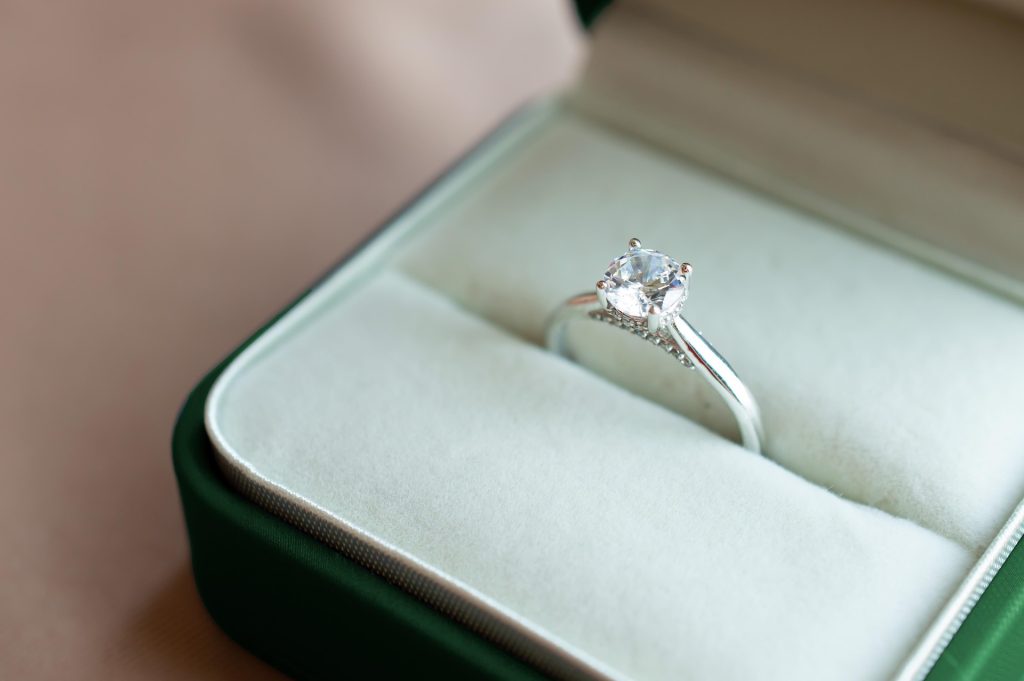
Few places show the emotional value of diamonds more clearly than weddings. Across Asia, marriage traditions are changing, and diamonds have become central to many of those shifts. Engagement rings, once more common in Western cultures, now hold strong appeal across many Asian societies.
Japan played a major role in this transformation. Before the late twentieth century, diamond engagement rings were not a long-standing tradition there. However, strong marketing campaigns reshaped public perception. Over time, giving a diamond ring became closely tied to modern love and commitment. Today, many couples see it as a natural part of marriage preparation.
In China, younger generations increasingly embrace diamond engagement rings as symbols of romance and personal choice. This differs from older traditions that focused more heavily on family arrangements and practical marriage gifts. Diamonds add an emotional layer to the process. They turn a transaction into a story.
India blends old and new beautifully. Traditional bridal jewelry still centers heavily on gold, but diamonds now appear more often in engagement rings and wedding sets. Many families view them as both fashionable and meaningful. Gold may represent security, while diamonds often symbolize eternal love. Together, they form a powerful pair.
Diamonds in Religious and Spiritual Contexts
Not every diamond story begins in a jewelry store. In some Asian traditions, gemstones connect to spirituality, protection, and cosmic balance. Although diamonds are not always the most spiritually prominent stone compared to rubies or sapphires, they still hold symbolic importance in certain belief systems.
In Hindu traditions, gemstones often relate to astrology and planetary influence. People may wear specific stones to align with favorable energies or reduce negative influences. Diamonds are sometimes associated with Venus, a planet linked to beauty, luxury, love, and artistic expression. Some believe wearing diamonds can strengthen these qualities in life, especially when chosen according to astrological guidance.
Historical texts from India also gave diamonds protective qualities. Ancient rulers sometimes wore them as symbols of strength and invincibility. A diamond was not just decoration. It was armor with sparkle.
In other parts of Asia, diamonds may not carry direct religious meaning, but they still appear in ceremonial jewelry used during important spiritual events. Their brilliance often aligns with ideas of purity, clarity, and divine blessing. Light reflecting from a diamond can feel symbolic, almost like carrying a small star.
Family Heritage and Generational Wealth
In many Asian households, jewelry is not simply bought. It is inherited. This difference matters. A diamond passed from grandmother to granddaughter carries emotional weight that no showroom can reproduce. It becomes part of family identity.
Heirloom jewelry is especially significant in South Asia. Families may preserve diamond pieces for decades, bringing them out for weddings, births, and major celebrations. These items often hold memories of people as much as financial value. Selling them can feel like selling part of the family history.
In wealthy families across Hong Kong and other financial centers, diamonds may also function as portable wealth. Unlike property, which stays in one place, fine jewelry can move across borders and generations. This flexibility makes diamonds attractive during uncertain economic periods.
There is also a practical side. Many parents see diamond jewelry as a long-term asset for daughters, particularly during marriage preparations. While modern attitudes are changing, the idea of jewelry as financial security remains strong in many communities.
A diamond bracelet, in this sense, is not just an accessory. It can be a quiet savings account with excellent lighting.
Modern Luxury and Changing Consumer Values
Asia’s younger consumers are reshaping what diamonds mean. For previous generations, diamonds often reflected family expectations and formal milestones. Today, many buyers choose diamonds for personal expression rather than tradition alone.
Self-purchasing has grown significantly, especially among professional women in cities like Shanghai, Tokyo, and Seoul. Instead of waiting for an engagement ring, many people buy diamond jewelry to celebrate career success, independence, or personal milestones. A promotion may lead to a diamond pendant. A business launch might inspire a pair of earrings.
This shift changes the emotional language of diamonds. They no longer belong only to weddings or anniversaries. They can represent self-worth and ambition.
Lab-grown diamonds also influence this conversation. Younger buyers often ask harder questions about sustainability, ethics, and sourcing. They want beauty without moral fog. In markets like India and China, interest in lab-grown stones continues to rise because they offer affordability alongside modern values.
Tradition still matters, but younger generations are rewriting the script. Diamonds are staying on stage, just with a new role.
Regional Differences Across Asia
It would be a mistake to treat Asia as one single diamond culture. The meanings shift dramatically depending on geography, religion, history, and economics. What feels essential in one country may feel optional in another.
In India, diamonds often sit beside gold as part of family wealth and ceremonial life. In China, status and romantic symbolism drive much of the market. Japan links diamonds strongly with engagement traditions and refined minimalism. In the Middle East, particularly in Gulf countries connected to Asian trade networks, diamonds frequently reflect luxury and prestige within highly visible social settings.
Southeast Asia adds another layer. Countries like Thailand and Vietnam show growing demand for modern bridal jewelry, while traditional gemstone preferences still remain strong. In places where colored stones historically dominated, diamonds have entered as symbols of international sophistication.
These regional differences prove an important point: diamonds do not create culture by themselves. People give them meaning. The same stone can tell completely different stories depending on whose hand wears it.
Conclusion
Diamonds in Asia represent much more than fashion or investment. They sit at the crossroads of tradition, identity, emotion, and economics. They appear in weddings, inheritances, spiritual practices, and celebrations of personal success. Sometimes they symbolize family honor. Sometimes they whisper romance. Sometimes they simply say, “I worked hard, and I wanted something beautiful.”
Their cultural significance continues to evolve as younger generations challenge old customs and create new ones. Yet one thing remains constant. People rarely buy diamonds for practical reasons alone. They buy meaning, memory, and symbolism wrapped in brilliance.
That may be the real magic of diamonds. Long after the receipt disappears, the story stays.