info@leiser.co.uk

A diamond engagement ring often tells a story long before anyone says “I do.” It reflects love, yes, but it also mirrors the era in which it was chosen. Fashion, economics, celebrity influence, and cultural values all leave fingerprints on engagement ring design. What people admired in the 1920s looked very different from what couples prefer today.
Over time, diamond engagement rings have shifted from formal symbols of status to deeply personal expressions of identity. Some decades favored bold glamour, while others embraced simplicity and practicality. Even the way people viewed diamonds changed. In some years, bigger meant better. In others, craftsmanship and ethical sourcing mattered more.
When you look back at engagement ring trends across decades, you’re really looking at changing ideas about romance, success, and self-expression. Styles may come and go, but each period leaves behind a sparkle of its own.
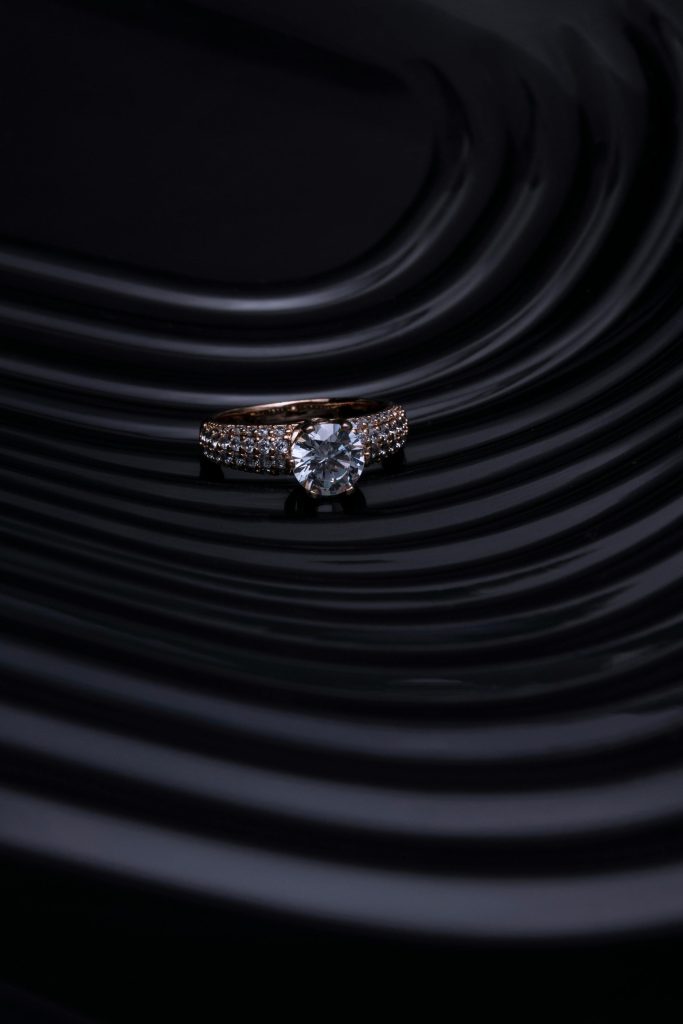
The 1920s: Art Deco Elegance and Geometric Beauty
The 1920s brought confidence, jazz, and sharp design. Engagement rings during this period reflected the bold spirit of the Art Deco movement. Instead of soft curves and floral details, jewelers leaned into symmetry, straight lines, and strong geometric shapes.
Platinum became a favorite metal because it allowed delicate yet durable settings. Rings often featured old European cut diamonds or early emerald cuts surrounded by sapphires, emeralds, or rubies. The contrast created a dramatic look that felt modern for its time. Imagine a miniature skyscraper for your finger—that was the mood.
Women during this decade also gained more social independence, and jewelry became a stronger form of self-expression. Rings looked less like quiet family heirlooms and more like confident style statements. Even today, vintage Art Deco rings remain highly sought after because their structure feels timeless rather than old-fashioned.
The 1930s and 1940s: Practicality Meets Romance
The Great Depression changed spending habits across the world. Engagement rings in the 1930s became smaller and more practical, yet they still carried emotional value. Jewelers worked with white gold more often because platinum became expensive and less available.
Designs softened slightly compared to the strict geometry of the 1920s. Floral details and delicate engraving returned, creating a romantic appearance without excessive cost. Smaller center stones with intricate settings gave the illusion of greater size. It was beauty with a budget, and honestly, that idea never really disappeared.
During the 1940s, World War II also influenced jewelry trends. Resource shortages limited certain metals, and many couples prioritized necessity over luxury. Still, engagement rings remained important symbols of hope and commitment. Yellow gold gained popularity again, and sentimental design choices became more meaningful than flashy displays.
The 1950s: The Rise of the Classic Solitaire
If one decade created the “traditional” diamond engagement ring image, it was the 1950s. After the war, prosperity grew, and so did the demand for elegant jewelry. This period cemented the round brilliant diamond solitaire as the gold standard.
Thanks to strong advertising campaigns and Hollywood glamour, the diamond ring became closely linked with marriage expectations. The phrase “A diamond is forever” shaped public perception in a massive way. Suddenly, the solitaire ring was not just jewelry—it was a cultural benchmark.
Simple yellow gold or platinum bands with one central diamond dominated the market. The focus shifted toward the stone itself rather than heavy decorative detail. Think of it like the little black dress of engagement rings: clean, classic, and impossible to ignore.
The 1960s and 1970s: Individuality Begins to Shine
As social norms changed, engagement ring styles followed. The 1960s introduced more experimentation with shape and setting. Marquise, pear, and oval diamonds started gaining attention as couples looked beyond the traditional round cut.
By the 1970s, yellow gold was everywhere. Bold settings, textured bands, and cluster rings became common. Rings felt warmer and less formal. Instead of one perfect diamond taking center stage, multiple stones and creative layouts added personality.
This was also a decade where personal taste began challenging tradition. Some couples wanted rings that looked less like their parents’ choices and more like their own story. Jewelry became less about following a rulebook and more about writing your own chapter.
The 1980s: Bigger, Bolder, Brighter
The 1980s did not believe in whispering. They preferred shouting—in sequins, shoulder pads, and diamonds. Engagement rings during this decade followed the same philosophy. Large center stones, high-set designs, and extravagant styles dominated the market.
Princess cut diamonds rose in popularity because they offered strong sparkle with a sharp, modern edge. Three-stone rings also gained traction, often symbolizing past, present, and future. Bigger was often seen as better, and subtlety took a vacation.
White metals such as platinum and white gold became desirable again. Celebrity influence also played a major role. When famous figures showed off dramatic rings, the public noticed. The engagement ring was no longer just a private promise. It had become a visible statement of success and status.
The 1990s: Minimalism and Refined Sophistication
After the loud energy of the 1980s, the 1990s leaned toward cleaner lines and understated elegance. Minimalism shaped fashion, and engagement rings followed suit. People wanted sophistication without excess.
Solitaire settings remained strong, but they appeared sleeker and more refined. Princess cut diamonds became especially popular because they balanced brilliance with a modern, structured look. Channel-set bands with smaller diamonds added sparkle without overwhelming the design.
Platinum surged again because of its cool tone and durable reputation. The overall look was polished and intentional. Instead of saying “look how big this is,” the rings quietly said, “look how well this is made.” Sometimes confidence doesn’t need a megaphone.
The 2000s: Customization and Designer Influence
The early 2000s brought celebrity culture into full force. Magazine covers, red carpet appearances, and later social media turned engagement rings into public fascination. Halo settings exploded in popularity because they made center stones appear larger and more brilliant.
Cushion cuts, radiant cuts, and vintage-inspired settings also gained attention. Many buyers wanted rings that felt luxurious but still unique. Designer brands shaped preferences, and customization became more common.
People started asking more questions about craftsmanship, certification, and diamond quality. Instead of simply choosing the largest stone possible, buyers often compared cut, clarity, and long-term value. The ring became both an emotional purchase and a carefully researched investment.
The 2010s to Today: Meaning, Ethics, and Personal Style
Modern engagement ring trends focus heavily on individuality. Couples now choose rings that reflect personal values as much as visual taste. Oval diamonds, hidden halos, east-west settings, and mixed metals have all become popular because they offer something different.
Lab-grown diamonds entered the mainstream and changed the conversation around affordability and sustainability. Ethical sourcing also became a major concern. Many buyers want to know where a diamond comes from and how it was produced before making a decision.
Vintage-inspired rings continue to thrive, while minimalist solitaires still hold strong. Some people prefer colored gemstones alongside diamonds, while others choose alternative stones altogether. There is no single “correct” ring anymore. That freedom is perhaps the biggest trend of all.
Today, engagement rings feel less like a social requirement and more like a personal signature. And frankly, that makes the sparkle a little more meaningful.
Why Decade Trends Still Matter Today
Even if you’re shopping in the present, the past still shapes your choices. A modern oval solitaire may carry echoes of the 1960s, while a halo setting might borrow glamour from the 2000s. Vintage-inspired rings often revive details from the Art Deco era or the romance of the 1940s.
Understanding these trends helps buyers make smarter and more meaningful decisions. It also helps sellers, designers, and collectors recognize why certain styles hold lasting value. Fashion changes, but emotional symbolism tends to stick around.
An engagement ring is never just a ring. It’s part history lesson, part love letter, and part personal statement. Decades pass, styles evolve, and diamonds keep finding new ways to stay at the center of the story.