info@leiser.co.uk

Diamonds rarely live quiet lives. From the moment a rough stone comes out of the earth, every decision shapes its future value. One of the biggest decisions involves the cut. While round brilliant diamonds often dominate jewelry store windows, fancy cut diamonds bring personality, style, and sometimes stronger value opportunities. They stand out because they don’t follow the standard circular shape. Instead, they offer distinct silhouettes that appeal to buyers looking for something less ordinary.
Fancy cut diamonds include shapes like oval, pear, marquise, emerald, princess, cushion, radiant, heart, and Asscher. Each shape creates a different visual effect. Some make a diamond appear larger. Others emphasize sparkle, elegance, or vintage charm. Understanding how these cuts work and how market demand shifts around them helps buyers, sellers, and investors make smarter decisions. In the diamond world, shape isn’t just decoration—it’s economics wearing a tuxedo.
What Makes a Diamond a Fancy Cut
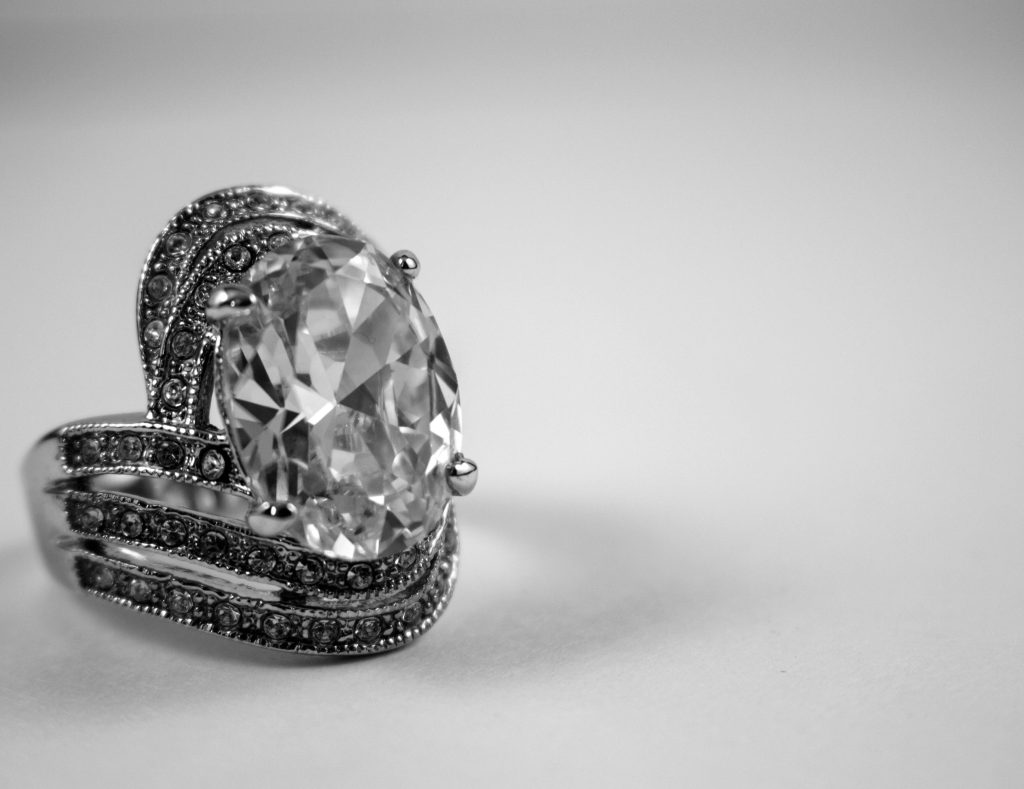
A fancy cut diamond refers to any shape that isn’t round brilliant. That simple definition opens the door to a surprisingly wide range of styles. Some fancy cuts focus on brilliance and fire, while others highlight clarity and symmetry. For example, a radiant cut aims for sparkle, while an emerald cut showcases long, clean lines and a hall-of-mirrors effect.
The cutting process matters because rough diamonds naturally form in shapes that may favor certain cuts over others. A cutter often chooses a fancy shape to preserve more carat weight from the original rough stone. That decision can improve profitability because losing less material means keeping more value.
However, preserving weight doesn’t always guarantee stronger market demand. A diamond may retain size, yet if buyers prefer another shape, resale value can soften. It’s a bit like owning a bright orange sports car. It may be impressive, but not everyone wants to park it in their driveway.
Popular Fancy Cuts and Their Appeal
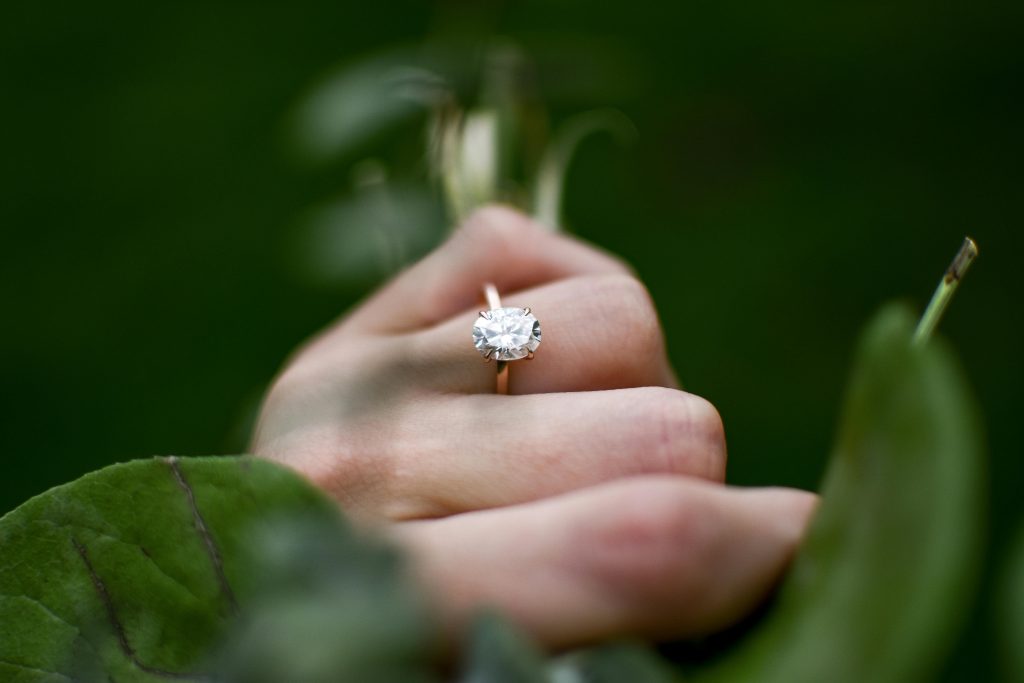
Some fancy cuts enjoy steady popularity because they balance beauty and practicality. Oval diamonds, for example, continue to attract strong demand because they look larger than round stones of the same carat weight. Their elongated shape also flatters the finger, which makes them especially popular in engagement rings.
Cushion cuts bring softness and romance. With rounded corners and larger facets, they often appeal to buyers who love vintage-inspired jewelry. Princess cuts remain popular because they offer strong brilliance with a modern square shape.
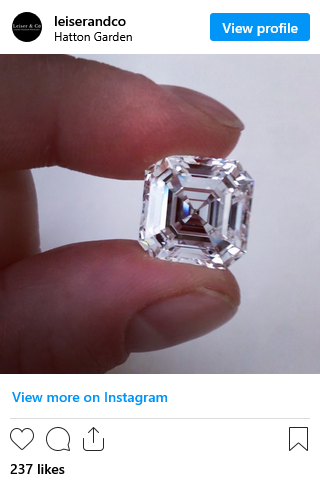
Emerald and Asscher cuts attract a different audience. These step-cut diamonds don’t rely on intense sparkle. Instead, they emphasize clarity and elegance. Buyers who choose them often prefer understated sophistication over flashy brilliance.
Pear and marquise cuts create dramatic visual impact. Their pointed ends and stretched shapes can make the stone appear larger. Yet they require careful symmetry, which makes quality grading especially important.
Heart-shaped diamonds exist in a category of their own. They’re bold, emotional, and not exactly shy. Market demand for them tends to be more niche, but when the right buyer appears, emotional value can outweigh pricing formulas.
How Cut Shape Influences Market Demand
Market demand for fancy cut diamonds depends heavily on fashion trends, cultural preferences, and celebrity influence. Jewelry trends behave a little like weather forecasts—constantly changing and occasionally dramatic. One year oval diamonds dominate social media. The next year emerald cuts suddenly become the symbol of quiet luxury.
Engagement ring trends strongly affect demand. Since bridal jewelry drives a large part of the diamond market, shapes favored by couples often experience price increases. Social media platforms and celebrity engagements can shift preferences quickly. When high-profile figures wear certain cuts, buyers notice.
Regional demand also matters. In some Asian markets, round and princess cuts remain highly preferred for their symmetry and symbolism. In Western luxury markets, elongated shapes like oval and pear often gain stronger attention.
Retailers respond to these patterns by adjusting inventory and pricing. A shape with rising popularity may command a premium even if its technical rarity remains unchanged. Demand, after all, doesn’t always follow logic. Sometimes it follows Instagram.
Pricing Differences Between Fancy Cuts and Round Diamonds
Fancy cut diamonds often cost less per carat than round brilliant diamonds of similar quality. That price gap exists partly because round cuts require more rough diamond loss during cutting. More waste means higher production cost. Fancy shapes usually preserve more of the original stone, which improves manufacturing efficiency.
For buyers, this can mean better visual size for the same budget. An oval or pear diamond may appear larger than a round diamond with equal carat weight while costing less. That’s why many shoppers view fancy cuts as value-driven alternatives.
Still, pricing varies within the fancy cut category itself. Highly desirable shapes like oval and cushion may carry stronger premiums due to demand. Less popular shapes may trade at discounts even when quality remains high.
Resale value can also differ. Round diamonds often maintain broader resale appeal because they attract the largest buyer pool. Fancy cuts may require more patience in resale since demand depends more on personal taste and market timing.
The Role of Symmetry and Proportions
Fancy cut diamonds require careful evaluation because shape quality affects beauty more dramatically than many buyers realize. Two oval diamonds with the same grading report can look completely different in real life. One may appear balanced and bright, while the other looks awkward or dark.
Symmetry matters. A pear shape with uneven shoulders or a marquise with mismatched points loses visual appeal quickly. Buyers notice these details even if they can’t explain why.
Proportions also affect performance. Some cuts develop issues like the “bow-tie effect,” which creates a dark shadow across the center of the diamond. This commonly appears in oval, pear, and marquise shapes. A slight bow-tie may be acceptable, but a heavy one can reduce desirability.
Unlike round diamonds, fancy cuts don’t always benefit from universally strict cut grading standards. That makes visual inspection even more important. In short, the certificate helps, but your eyes still deserve a vote.
Fancy Colored Diamonds and Fancy Cuts
The term “fancy” can create confusion because it also applies to fancy colored diamonds like yellow, pink, blue, and green stones. Fancy cut diamonds refer to shape, while fancy color diamonds refer to hue intensity. Sometimes the two overlap beautifully.
Cutters often choose specific fancy shapes to enhance color appearance. Radiant and cushion cuts, for example, can intensify color saturation better than round cuts. That makes them popular choices for yellow and pink diamonds.
Market demand for fancy colored diamonds follows different pricing logic because rarity drives value more strongly than standard white diamond trends. Still, shape remains important. A rare pink diamond in a desirable cushion cut may command extraordinary premiums compared to a less attractive shape.
In these cases, beauty and scarcity join forces like a very expensive superhero team.
Investment and Long-Term Demand Considerations
People sometimes view fancy cut diamonds as investment assets, though this requires caution. Not every beautiful diamond behaves like a financial instrument. Market liquidity, certification, brand influence, and buyer preferences all shape future value.
Classic shapes with stable demand usually offer stronger long-term confidence. Oval, emerald, cushion, and princess cuts often perform better than highly niche styles because more buyers actively seek them.
Designer settings can also affect resale. A diamond from a recognized luxury house may carry stronger market confidence than a loose stone without brand association.
Certification from respected laboratories remains essential. Buyers and investors rely on trusted grading because subjective interpretation can create pricing chaos. Without certification, negotiating value becomes a bit like buying a mystery box and hoping it contains treasure instead of disappointment.
Why Buyer Psychology Matters
Fancy cut diamonds often sell through emotion rather than strict calculation. A buyer may choose a pear shape because it reminds them of a family heirloom. Another may prefer emerald cut diamonds because they signal elegance without excessive sparkle.
This emotional layer creates opportunities and challenges. Sellers who understand storytelling often perform better because they connect shape with identity and lifestyle. A marquise cut doesn’t just look elongated—it feels dramatic. A cushion cut doesn’t simply sparkle—it feels romantic.
Consumer psychology explains why certain shapes rise and fall in popularity. Jewelry isn’t only purchased with spreadsheets. It’s purchased with memory, symbolism, and the occasional irrational certainty that “this one just feels right.”
That emotional truth shapes the market as much as any price chart.
Conclusion
Fancy cut diamonds occupy a fascinating space between craftsmanship, fashion, and economics. Their value depends on more than carat weight or certification. Shape influences appearance, pricing, desirability, and resale potential in ways that many buyers underestimate.
Understanding market demand means looking beyond the sparkle. You need to consider cultural trends, buyer psychology, proportions, and long-term popularity. Some cuts offer stronger visual value. Others create emotional appeal that transcends price logic.
In the end, fancy cut diamonds prove that the diamond market isn’t just about perfection—it’s about preference. And preference, much like love and airport security lines, rarely follows perfect logic.