info@leiser.co.uk

Fashion runways do far more than showcase beautiful clothes. They act like cultural weather vanes, pointing toward what people may desire next. When diamonds appear on high-fashion runways, they do not simply sparkle under the lights—they send a message to buyers, designers, retailers, and investors. A necklace on a Paris catwalk or diamond embroidery on a couture gown can influence demand across global luxury markets. What begins as a dramatic runway moment often ends as a retail trend.
Diamonds hold a special place in fashion because they sit at the crossroads of luxury, symbolism, and status. Unlike many seasonal materials, diamonds carry emotional weight. They suggest permanence in a world built on constant change. That contrast gives them unusual power in fashion storytelling. When designers place diamonds in runway collections, they shape not only style conversations but also purchasing behavior across jewelry and luxury sectors.
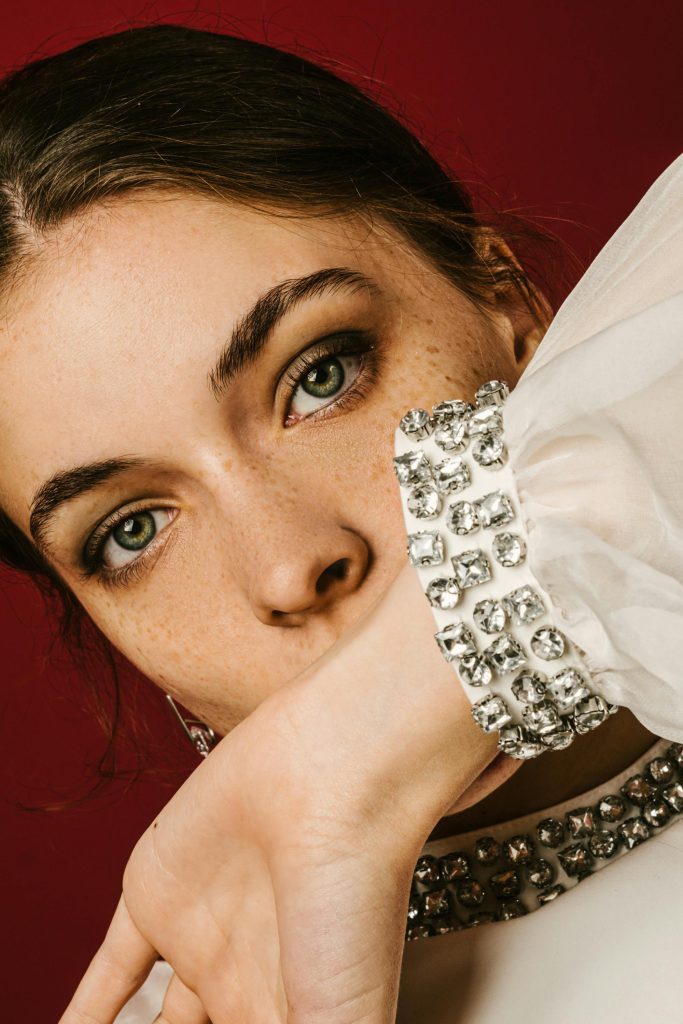
Why Runway Visibility Matters
A runway show is not just a fashion event. It is a marketing engine. Editors, celebrities, buyers, stylists, and influencers all watch closely. When diamonds become part of a major collection, the exposure reaches far beyond the audience in the room. Images spread through magazines, digital campaigns, red carpets, and social media within hours.
This visibility creates what many in luxury retail call the halo effect. A one-of-a-kind diamond collar shown during couture week may never reach a regular store shelf, yet it can inspire more accessible versions for broader markets. Think of it like concept cars in the auto industry. Most people won’t buy the futuristic prototype, but its design influences everyday vehicles later.
Consumers often respond emotionally rather than logically. If a diamond-heavy look becomes associated with elegance, power, or modern femininity, buyers may seek that feeling in their own purchases. They may not buy runway couture, but they might choose diamond earrings, tennis bracelets, or engagement upgrades inspired by the same visual language.
Luxury Branding and Perceived Value
Diamonds on runways strengthen brand identity. Luxury houses use precious stones to signal exclusivity and craftsmanship. When a fashion brand incorporates diamonds into garments, shoes, handbags, or accessories, it pushes the label deeper into the ultra-luxury category.
Perception matters. A brand seen beside rare diamonds often gains prestige, even in product categories unrelated to jewelry. A customer shopping for fragrance or leather goods may still absorb that luxury image. It is a little like walking past a five-star hotel lobby—you may only be there for coffee, but the marble and chandeliers shape your expectations.
This prestige can affect pricing power. If consumers associate a label with exceptional materials and high craftsmanship, they may accept higher prices across the board. Diamonds become less about the stone itself and more about the story they help tell. In fashion, storytelling often sells faster than practicality.
Celebrity Influence and Media Amplification
Celebrities act as bridges between runway fantasy and public demand. When a famous actor, musician, or model wears runway diamonds at a film premiere or global event, the trend gains speed. Suddenly, what looked like editorial art feels commercially relevant.
The red carpet and the runway often work as dance partners. One leads, the other follows. Designers showcase bold diamond concepts on the catwalk, and stylists translate them into wearable glamour for public appearances. Then consumers notice and retailers react.
Social media accelerates this process. A single viral image can shift attention toward a specific diamond cut, setting style, or layered jewelry look. For example, oversized vintage-inspired diamond pieces may gain renewed interest simply because a high-profile figure wore them with a runway collection. In this way, fashion houses do not market alone—they recruit the internet as an unpaid but highly effective publicist.
The Rise of Diamonds Beyond Traditional Jewelry
Modern runways have expanded how diamonds appear in fashion. They no longer belong only in rings and necklaces. Designers now use diamonds in handbags, footwear, hair accessories, eyewear, and even fabric embellishments. This shift changes how consumers think about ownership and utility.
A diamond-studded handbag may not be practical for grocery shopping, but practicality rarely drives high fashion. Symbolism does. These items turn diamonds into lifestyle statements rather than isolated jewelry investments. They say, “Luxury is part of how I move through the world,” not just what sits in a jewelry box.
This broader use creates new commercial categories. Luxury brands can develop limited-edition accessories with strong profit margins. It also invites collaboration between jewelers and fashion houses, opening fresh revenue streams. When industries shake hands instead of competing, the cash register usually smiles.
Impact on Diamond Demand and Supply Trends
Runway trends can influence demand patterns in subtle but important ways. If designers favor yellow diamonds, antique cuts, or asymmetrical settings, buyers may begin asking for those features more often. Retailers then adjust inventory, and suppliers respond upstream.
This demand signal does not always happen overnight. Fashion trends often begin at the top and filter down slowly. Still, repeated exposure matters. When enough luxury houses move in the same direction, the market notices.
Suppliers may also shift sourcing strategies. Increased interest in unusual stones or ethically sourced diamonds can encourage miners, wholesalers, and manufacturers to adapt. Sustainability has become especially important. Many luxury consumers now want beauty with a clear conscience. A runway diamond that comes with a strong ethical sourcing story often shines brighter in the public eye.
This connection between design and supply proves that fashion is not just surface-level decoration. It can shape mining decisions, certification priorities, and investment strategies throughout the diamond trade.
Lab-Grown Diamonds on the Runway
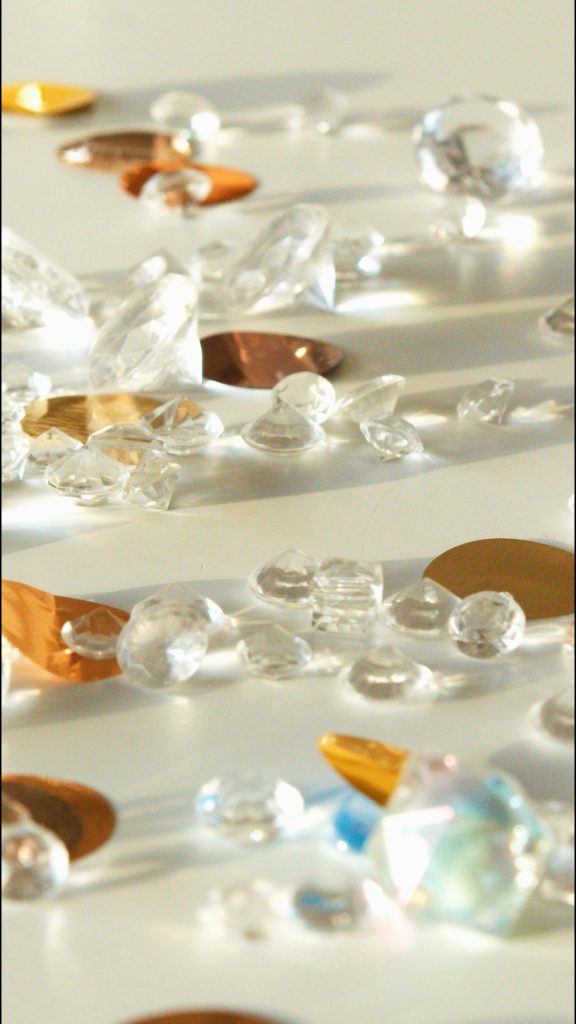
Another major shift involves lab-grown diamonds entering high-fashion spaces. For years, natural diamonds dominated runway prestige. Now, some designers use lab-grown stones to align with sustainability messaging, innovation, and changing consumer values.
This move has sparked debate. Traditionalists often argue that rarity defines luxury. Others believe design and ethics matter more than geological origin. Fashion, as usual, refuses to sit quietly in one corner.
Runway inclusion gives lab-grown diamonds legitimacy among younger luxury buyers. If a respected fashion house uses them in couture, the perception changes. Consumers may begin to see them not as substitutes, but as deliberate design choices.
This affects the wider market by expanding segmentation. Some buyers want rarity and heritage. Others prioritize affordability and environmental messaging. High fashion helps shape both conversations, often at the same time.
Challenges and Market Risks
Not every diamond runway trend turns into a commercial success. Sometimes a dramatic showpiece remains exactly that—a showpiece. Consumers may admire it but never buy anything similar. Fashion can create desire, but desire does not always survive contact with a price tag.
Economic conditions also matter. During uncertain financial periods, consumers may lean toward quieter luxury and practical investment pieces rather than highly visible statement diamonds. Flashy runway aesthetics can feel out of step with public mood.
There is also the risk of overexposure. If every brand pushes oversized diamond embellishment at once, the effect may lose exclusivity. Luxury depends partly on scarcity. Too much sparkle can start to feel like a disco ball at breakfast—impressive, but slightly exhausting.
Brands must balance aspiration with authenticity. Consumers today ask harder questions about sourcing, value, and purpose. A beautiful runway look is no longer enough on its own.
Long-Term Influence on the Luxury Market
The strongest market impact of runway diamonds often appears over time, not instantly. Trends evolve into expectations. What begins as bold experimentation may later become standard luxury design language.
For example, layered diamond styling, mixed-metal settings, and vintage-inspired cuts all gained momentum through repeated high-fashion exposure. Eventually, they moved into mainstream fine jewelry collections. The runway acted as the testing ground.
Diamonds remain powerful because they adapt. They can symbolize old-world glamour or modern minimalism depending on context. High fashion gives them fresh meaning with every season. That flexibility protects their relevance in changing markets.
In the end, runway diamonds do more than decorate models. They shape perception, influence spending, and steer luxury strategy across industries. They are both ornament and economic signal. In fashion, sparkle is rarely just sparkle—it is often the first hint of where the market is heading next.