info@leiser.co.uk

When people talk about diamond value, most minds jump straight to carat weight, clarity, or color. Those factors matter, of course, but shape plays a surprisingly powerful role too. A diamond’s shape affects beauty, rarity, demand, resale potential, and even how large the stone appears on the hand. In today’s market, some shapes consistently command stronger prices because buyers chase them more aggressively, while others offer excellent beauty at a lower cost because supply is higher or demand is softer.
Diamond shape isn’t just about style. It influences how rough diamonds are cut, how much material gets lost during cutting, and how jewelers price the final stone. Think of it like sculpting marble. Some designs waste more material than others, and that waste affects value. A shape that preserves more of the original rough may cost less per carat than one requiring major cutting sacrifices. At the same time, market trends can flip logic on its head. Buyers often pay more for what they emotionally want, not simply what makes technical sense.
Understanding which shapes hold the most value helps both buyers and sellers make smarter decisions. Whether someone is shopping for an engagement ring or preparing to resell inherited jewelry, shape can influence the final number far more than expected.
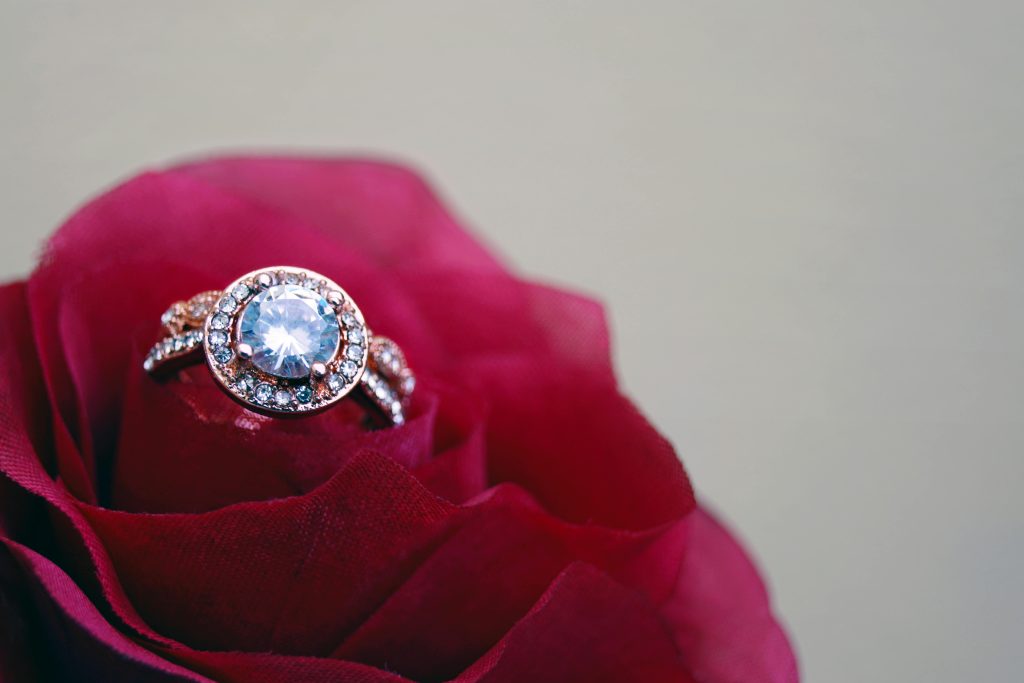
Round Brilliant Diamonds: The Undisputed Market Leader
Round brilliant diamonds continue to dominate the global diamond market. They remain the most valuable and most requested shape, and that position has held strong for decades. Jewelers often compare all other shapes to the round brilliant because it sets the standard for brilliance, light return, and consumer demand.
One major reason for its premium price lies in the cutting process. Creating a round brilliant often wastes a significant portion of the original rough stone. More material gets sacrificed to achieve the perfect symmetry and ideal proportions buyers expect. Since rough diamond loss increases production cost, the finished stone becomes more expensive.
Demand pushes prices even higher. Round diamonds have universal appeal. They suit nearly every setting, rarely go out of style, and attract buyers across generations. If diamonds had a stock market, round brilliants would be the blue-chip investment. They offer strong resale recognition because buyers trust and understand them easily.
For example, a one-carat round diamond with excellent cut quality can cost noticeably more than a one-carat oval or cushion diamond with similar color and clarity. That premium often surprises first-time buyers, but it reflects both craftsmanship and demand.
Oval Diamonds: Rising Value Through Modern Demand
Oval diamonds have become one of the strongest competitors to round brilliants in recent years. Their popularity has surged, especially in engagement rings, because they combine elegance with visual size. An oval diamond often looks larger than a round diamond of the same carat weight because of its elongated shape and larger surface appearance.
This “bigger look for the budget” effect makes oval diamonds highly attractive. Buyers love visual impact, and oval cuts deliver it. Social media trends, celebrity rings, and modern minimalist jewelry styles have also pushed demand upward. What was once considered an alternative shape now sits firmly in the mainstream.
From a pricing standpoint, ovals usually cost less than rounds per carat, yet they often sell faster because buyers see strong perceived value. That balance gives them excellent market strength. Sellers benefit too, especially when the stone has strong symmetry and minimal bow-tie effect, which refers to the dark shadow sometimes visible across the center.
In many cases, oval diamonds represent the sweet spot between luxury and practicality. They don’t carry the full round brilliant premium, yet they still command strong resale attention.
Princess Cut Diamonds: Sharp Lines and Strong Market Appeal
Princess cut diamonds hold their place as one of the most valuable fancy shapes. Their square or slightly rectangular form appeals to buyers who want brilliance with a more contemporary edge. If round diamonds feel classic and timeless, princess cuts often feel modern and confident.
This shape offers strong sparkle because it uses brilliant-style faceting similar to round diamonds. However, it usually retains more of the original rough diamond during cutting. That efficiency can lower production cost compared to rounds, which makes princess cuts slightly more affordable while still maintaining strong visual appeal.
Many engagement ring buyers choose princess cuts because they balance prestige and budget. They often look substantial on the hand and pair beautifully with sleek solitaire settings or halo designs. However, the pointed corners require protection in the setting, which affects durability considerations.
In resale markets, princess cuts perform well because demand remains stable. They may not reach round brilliant pricing, but they maintain broad recognition and consistent buyer interest. They’re not the loudest voice in the room, yet they rarely get ignored.
Emerald Cut Diamonds: Quiet Luxury with High-End Appeal
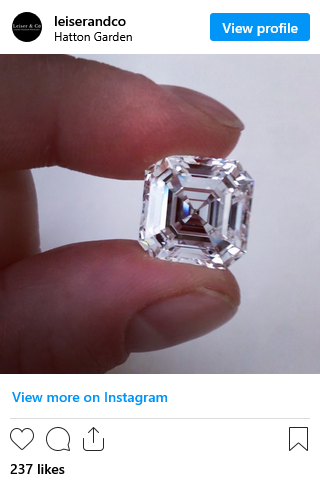
Emerald cut diamonds speak a different language. Instead of fiery sparkle, they offer long, elegant flashes of light known as the “hall of mirrors” effect. Their rectangular step-cut facets create sophistication rather than dramatic brilliance. Some buyers want fireworks. Others prefer candlelight. Emerald cuts belong firmly in the second group.
Because inclusions show more clearly in this shape, high clarity becomes especially important. That requirement often pushes prices upward for top-quality stones. A poorly chosen emerald cut can look dull quickly, while an excellent one feels refined and expensive.
Luxury buyers frequently favor emerald cuts because they signal understated elegance. The shape carries strong associations with vintage glamour and high-fashion jewelry. It doesn’t shout wealth. It whispers it.
While emerald cuts may not match round diamonds in mass-market demand, they perform strongly in premium segments. Buyers looking for architectural beauty and clean lines often pay well for exceptional examples, especially in larger carat sizes.
Cushion Cut Diamonds: Vintage Charm with Selective Value
Cushion cut diamonds combine rounded corners with a soft square or rectangular shape, creating a romantic and slightly antique appearance. Their popularity has moved in waves over the years, but they remain highly desirable in both vintage-inspired and luxury bridal jewelry.
The value of a cushion cut depends heavily on proportions and faceting style. Some have a crushed-ice appearance with many tiny reflections, while others show broader flashes of light. Buyer preference varies, which creates more pricing variation than with rounds or ovals.
Certain premium cushion cuts, especially those with exceptional light performance, can command strong prices. However, the category as a whole tends to be less standardized. Two stones with the same certification grades may look dramatically different in person.
That inconsistency can be both a blessing and a headache. Buyers willing to search carefully may find outstanding value, while sellers with exceptional stones can attract strong offers. It’s a shape where the details truly matter.
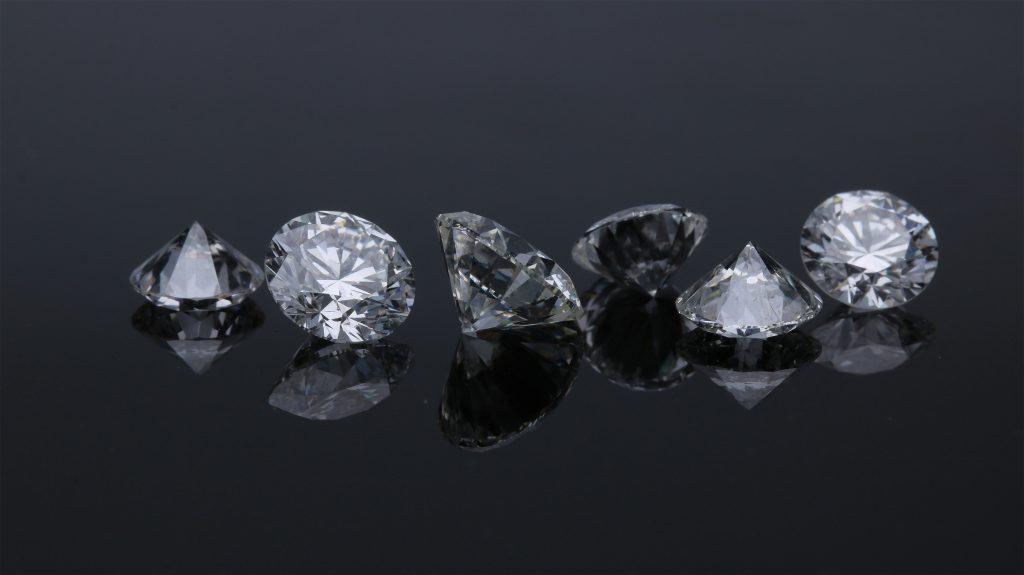
Pear and Marquise Diamonds: Niche Demand, Strategic Value
Pear and marquise diamonds often attract buyers who want something distinctive. These elongated shapes create dramatic finger coverage and can appear larger than their actual carat weight suggests. In visual terms, they punch above their weight class.
Pear shapes blend round and marquise characteristics, offering both softness and elongation. Marquise diamonds, with their pointed ends and boat-like silhouette, create bold vintage appeal. Both shapes have strong visual personality, which helps them stand out in a crowded market.
However, resale demand tends to be narrower. Not everyone wants these shapes, which can limit buyer pools compared to rounds or ovals. Because of that, they may not always achieve the same resale premiums despite their beauty.
Still, when demand aligns with the right buyer, prices can be impressive. Unique taste often pays well. It’s a little like selling a classic sports car. Not everyone wants it, but the right buyer absolutely does.
Market Trends and the Influence of Fashion
Diamond value doesn’t live in a vacuum. Fashion trends shape pricing more than many people realize. Social media, celebrity engagement rings, red carpet appearances, and influencer culture all affect what buyers suddenly decide they “must have.”
A decade ago, cushion cuts enjoyed explosive popularity. More recently, oval diamonds surged ahead. Elongated shapes in general have gained momentum because they create a flattering visual effect and photograph beautifully online. That last detail matters more than ever in digital-first shopping environments.
Retailers respond quickly. When demand rises, prices often follow. This means the most valuable shape today may not hold exactly the same position five years from now. Round diamonds remain stable because they are timeless, but fancy shape trends can shift like fashion seasons.
Buyers focused on resale often consider both timelessness and current demand. Chasing trends can work well, though classic appeal usually provides stronger long-term stability.
Final Thoughts on Diamond Shape and Value
The most valuable diamond shape in today’s market remains the round brilliant, thanks to unmatched demand, cutting complexity, and strong resale confidence. However, oval, princess, and emerald cuts also hold impressive market strength for different reasons. Some win through sparkle, others through elegance, and others through changing fashion.
Value depends on more than shape alone. Cut quality, certification, color, clarity, and overall craftsmanship still play major roles. Yet shape acts like the front door of the diamond’s identity. It creates the first impression, and first impressions often shape final price.
For buyers, understanding shape value helps stretch a budget wisely. For sellers, it helps explain why two diamonds with similar grades may attract very different offers. In the end, the diamond market blends mathematics with emotion. Numbers matter, but beauty often closes the deal.
A diamond may be forever, but market preferences are always moving. Knowing which shapes hold the strongest value helps you stay one step ahead.