info@leiser.co.uk

When people talk about diamonds, the conversation usually circles around the famous 4Cs: cut, color, clarity, and carat weight. These standards help buyers compare stones and understand quality in a practical way. They matter, and they always will. However, they don’t tell the whole story.
Imagine judging a painting only by its size, brightness, and frame quality. You’d miss the soul of it. Diamonds work the same way. Two stones with nearly identical 4C grades can have very different market values because rarity often hides in details that grading charts don’t fully capture.
Collectors, investors, and experienced jewelers often look beyond standard grading reports. They study origin, fluorescence, crystal structure, unusual colors, historical significance, and even the shape of natural growth patterns. These subtle factors can turn an ordinary diamond into something truly exceptional.
If you want to understand why one diamond commands headlines while another quietly sits in a display case, you need to look past the basics. Real rarity lives in the fine print.
Origin and Geographic Source
Where a diamond comes from can strongly influence its rarity and desirability. Not all mines produce the same type of stones. Some regions develop a reputation for extraordinary quality, unusual crystal structures, or highly sought-after colors.
For example, diamonds from Golconda in India hold legendary status. These stones became famous centuries ago for their exceptional transparency and purity. Many historic diamonds, including royal jewels, trace back to this source. Even today, the word “Golconda” can make collectors raise an eyebrow and open their wallets a little wider.
Similarly, Argyle diamonds from Australia became globally recognized for rare pink diamonds. When the Argyle mine closed, supply tightened like a faucet being turned off. Naturally, prices responded.
Origin doesn’t always appear on a standard certificate. It often requires advanced testing and provenance records. Still, for rare stones, location can matter almost as much as the diamond itself. In some cases, it becomes part of the diamond’s identity.
Natural Fancy Color Intensity
Color grading within the 4Cs mainly focuses on the absence of color in white diamonds. Yet some of the rarest diamonds in the world are valuable precisely because they have color.
Natural fancy colored diamonds—especially pink, blue, green, red, and vivid yellow—exist in tiny quantities. Their rarity depends not only on the color itself but also on how strong and pure that color appears. A faint pink may be attractive, but a vivid pink can become auction-room drama.
Red diamonds are particularly rare. They’re the unicorns of the gem world. You hear about them more than you see them. Even tiny stones can sell for astonishing amounts because supply is almost mythical.
The key word here is natural. Many diamonds receive treatments to improve or change color. Treated stones may look beautiful, but they do not carry the same rarity or market prestige as naturally colored diamonds. Certification becomes critical because, in this case, color can mean the difference between a luxury purchase and a financial shock.
Type Classification and Chemical Purity
Most buyers never hear about diamond type classification, but experts pay close attention. Diamonds fall into categories like Type Ia, Type IIa, and Type IIb based on their internal chemical structure, especially nitrogen and boron content.
Type IIa diamonds are especially important because they contain very little nitrogen. This purity often creates extraordinary transparency and brilliance. Some of the world’s most famous diamonds belong to this category, including several historic museum pieces.
Type IIb diamonds are even rarer. These stones contain boron, which can create blue coloration and electrical conductivity. Yes, a diamond can conduct electricity. Nature likes plot twists.
These classifications don’t always affect beauty at first glance, but they heavily influence rarity and scientific interest. For collectors, chemical purity adds another layer of distinction. It’s like finding out a beautiful old book is also a first edition signed by the author.
Fluorescence and Optical Behavior
Fluorescence often gets misunderstood. Some buyers avoid it completely, while others see it as a hidden advantage. This characteristic occurs when a diamond glows under ultraviolet light, usually blue.
In common commercial stones, strong fluorescence may slightly affect appearance or buyer perception. However, in rare cases, fluorescence adds uniqueness and even desirability. Certain famous diamonds display fascinating light reactions that increase collector appeal.
Optical behavior also includes effects like phosphorescence, where a diamond continues glowing after the light source disappears. This is far less common and can significantly increase rarity.
Blue diamonds from certain historic sources often show this unusual trait. It becomes more than a grading note—it becomes a fingerprint.
Think of it like hearing a violin that doesn’t just play beautifully but produces a tone nobody else can replicate. That unusual response creates fascination, and fascination often drives value.
Crystal Shape and Natural Growth Patterns
Before cutting and polishing, diamonds exist as rough crystals with natural shapes formed deep within the Earth. Some rough diamonds develop unusually perfect octahedral forms, while others show rare growth patterns that reveal unique geological histories.
Collectors of rough diamonds often value these natural forms as much as polished brilliance. In fact, some museums and private collectors prefer untouched crystals because they preserve nature’s original design. It’s geology wearing formal clothes.
Growth lines, trigons, and unusual surface textures can also indicate rarity. These features tell a story about pressure, heat, and time. They show how the stone formed over billions of years, long before anyone thought of engagement rings.
For gemologists, examining these details feels a bit like detective work. Each pattern leaves clues, and sometimes those clues point to extraordinary scarcity.
Historical Provenance and Ownership
A diamond with a story often becomes more valuable than one with better technical grades. Provenance—the documented history of ownership—can dramatically increase rarity and market demand.
If a diamond once belonged to royalty, appeared in a famous collection, or played a role in a historical event, its value may rise far beyond standard gem pricing. Buyers aren’t just purchasing carbon; they’re buying narrative.
Consider famous auction results. Stones associated with queens, Hollywood icons, or historic dynasties often attract intense bidding wars. The diamond becomes part gemstone, part artifact.
This happens because people value emotional connection. A diamond worn by a queen carries symbolic gravity that a perfect but anonymous stone simply can’t match.
In the luxury market, history sells. Sometimes it sells very loudly.
Unusual Cuts and Antique Craftsmanship
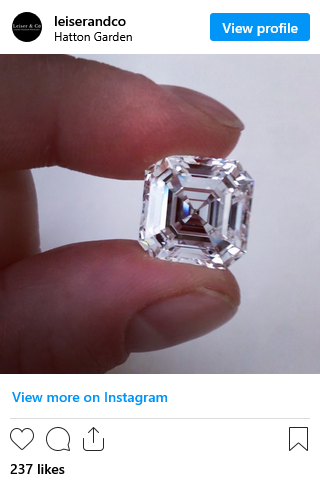
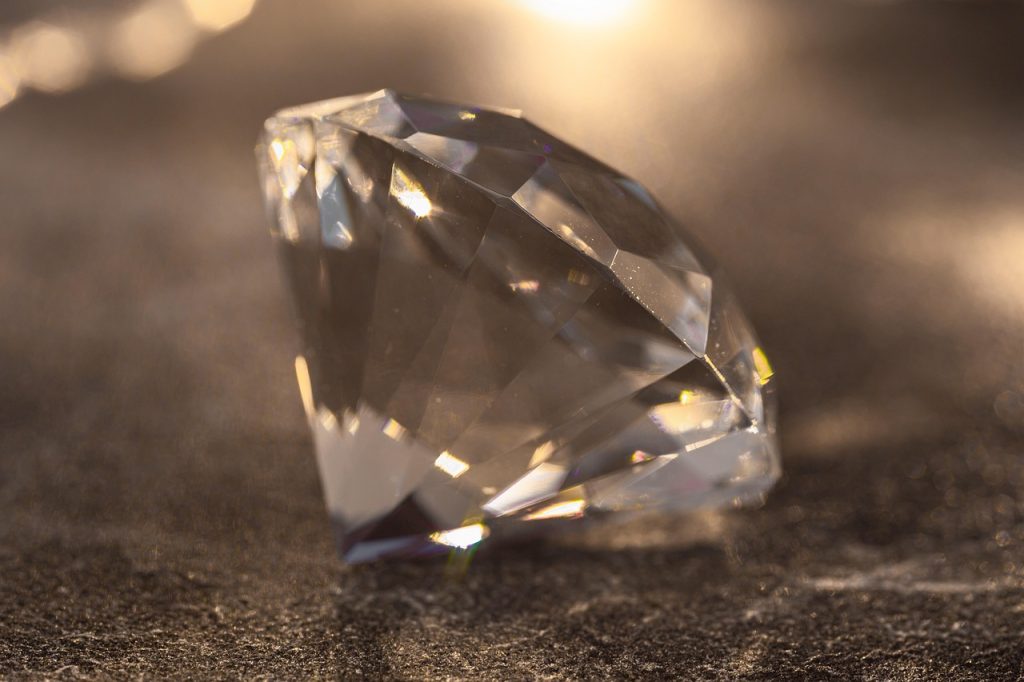
Cut is one of the 4Cs, but rarity can also come from the style and era of the cut itself. Antique diamonds with old mine cuts, rose cuts, or old European cuts often appeal to collectors because they reflect historical craftsmanship rather than modern precision.
These stones may not score as highly on modern cut standards, yet they possess charm that feels impossible to mass-produce. Their sparkle is softer, often warmer, and less engineered. They whisper instead of shout.
Hand-cut diamonds from earlier centuries show individuality. Tiny asymmetries remind you that a human shaped them without laser mapping or digital planning.
That imperfection can actually increase desirability. In a world full of identical products, uniqueness feels luxurious.
Collectors often seek these stones because they offer personality, not just perfection.
Market Scarcity and Timing
Sometimes rarity has less to do with geology and more to do with timing. A mine closure, export restriction, political instability, or sudden collector demand can make certain diamonds dramatically harder to find.
Pink diamonds offer a perfect example. When the Argyle mine closed, supply dropped sharply. Existing stones suddenly gained stronger investment attention because new supply was no longer flowing into the market.
Economic trends also shape perceived rarity. If collectors focus heavily on one category—such as untreated blue diamonds—prices can rise quickly because demand outruns available inventory.
This creates a strange truth: rarity isn’t always fixed. Sometimes it behaves like fashion, except far more expensive and with fewer apologies.
Understanding market scarcity helps explain why prices can shift even when the stone itself hasn’t changed at all.
Why Rarity Is More Than a Grade
The 4Cs remain essential because they provide structure, consistency, and trust. They help buyers avoid confusion and compare stones fairly. Yet true rarity often lives outside those boundaries.
Origin, color origin, chemical purity, fluorescence, crystal formation, provenance, craftsmanship, and market timing all shape how rare a diamond really is. These details don’t always fit neatly into a certificate box, but they often determine whether a stone is simply beautiful or genuinely exceptional.
If you’re exploring diamonds for collecting, investment, or personal meaning, it helps to think beyond the checklist. Sometimes the rarest part of a diamond isn’t what you see under the jeweler’s light. It’s the invisible story beneath it.
And honestly, that’s where the magic usually begins.