info@leiser.co.uk


Buying or selling a diamond often feels a bit like reading a foreign language textbook. You open a grading report and suddenly you’re staring at terms like “table percentage,” “girdle thickness,” “fluorescence,” and “inclusions.” It’s enough to make anyone squint at the page and wonder if they accidentally signed up for a geology exam.
The truth is much simpler. A diamond grading report is just a detailed identity card for a stone. It explains what the diamond is, how experts measured it, and what qualities affect its beauty and value. Once you understand the language, the report stops feeling intimidating and starts becoming one of the most useful tools in the buying process.
Knowing this terminology helps you compare stones fairly, avoid confusion, and make smarter decisions. It also protects you from paying premium prices for something that doesn’t match the description. Let’s break down the most common terms so the next time you read a report, you’ll feel like you’re reading plain English instead of secret code.
What a Diamond Grading Report Actually Is
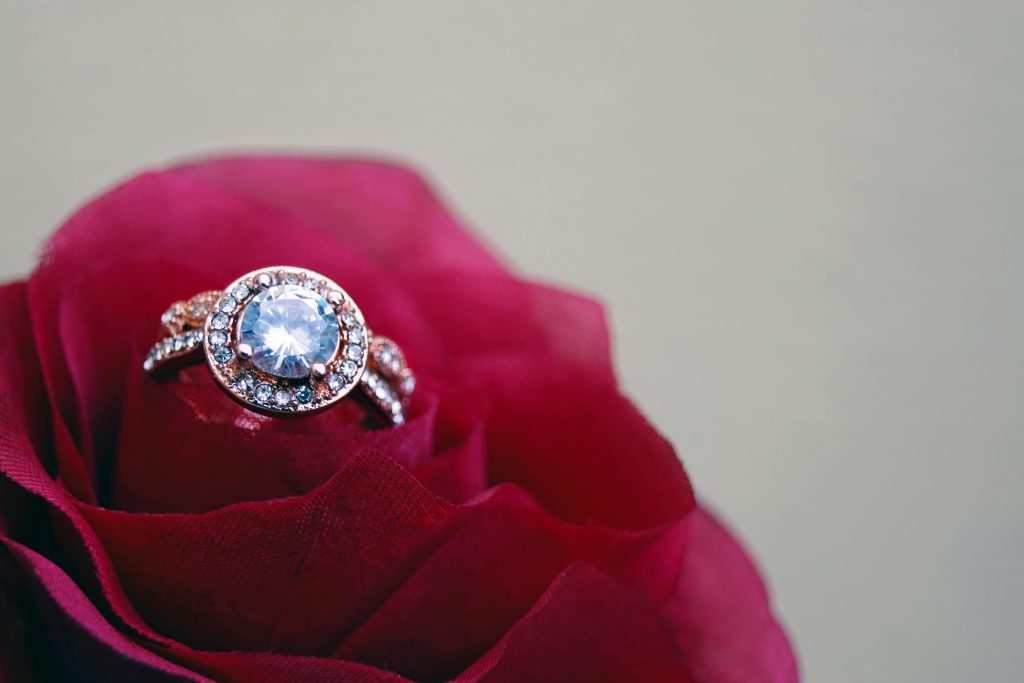
A diamond grading report is an independent document created by a gemological laboratory. Well-known labs such as the Gemological Institute of America (GIA) and the International Gemological Institute (IGI) examine diamonds and record their characteristics using standardized methods.
This report is not the same as an appraisal. That distinction matters. An appraisal estimates monetary value for insurance or resale purposes, while a grading report focuses on measurable quality. Think of it this way: the grading report tells you what the diamond is, while the appraisal tells you what someone believes it may be worth.
Most reports include the famous 4Cs—cut, color, clarity, and carat weight—but they also contain technical details many buyers overlook. These smaller details often explain why two diamonds with the same 4Cs can have very different prices.
Without a grading report, buying a diamond becomes a little like buying a car without opening the hood. It might look shiny, but you need the facts underneath.
Carat Weight: More Than Just Size
Many people assume carat simply means how big a diamond looks. Not quite. Carat refers to weight, not visible size. One carat equals 200 milligrams, which sounds tiny because it is.
Two diamonds with the same carat weight can look surprisingly different depending on how they are cut. A poorly cut diamond may carry more weight in the bottom where you can’t see it, while a well-cut stone may appear larger from the top.
That’s why carat weight should never be viewed alone. A 1.00-carat diamond may sound impressive, but if the proportions are poor, it might not perform as beautifully as a slightly smaller stone.
Buyers often chase “magic sizes” like 1.00 or 2.00 carats because they sound significant. However, a 0.90-carat diamond with excellent cut quality can sometimes offer better beauty and better value. Bigger isn’t always better—sometimes it’s just heavier.
Cut Grade: The Sparkle Factor
If diamonds had personalities, cut would be charisma. It controls how much light enters the stone, reflects inside it, and returns to your eye as sparkle.
Cut grade is often confused with shape. Shape refers to whether the diamond is round, oval, pear, or princess. Cut grade measures how well the diamond’s angles, proportions, and symmetry work together.
Terms like Excellent, Very Good, Good, Fair, and Poor describe this quality. An Excellent cut usually produces stronger brilliance, fire, and scintillation. In simple terms, it shines like it means it.
Even a flawless diamond with perfect color can look dull if the cut is weak. That’s why many professionals place cut at the top of the priority list. It’s the engine of visual beauty.
Imagine buying a luxury sports car with a lawnmower engine. That’s what a poorly cut high-carat diamond can feel like.
Color Grade: Less Color Often Means More Value
Diamond color grading measures how little color a white diamond has. Strange but true—the less color, the higher the grade in most cases.
The scale usually runs from D to Z. D represents colorless diamonds, while lower grades show increasing traces of yellow or brown. The differences between neighboring grades can be subtle, especially once the stone is set in jewelry.
A D-color diamond is rare and expensive. However, many buyers can’t easily tell the difference between D and G without side-by-side comparison under lab lighting. That’s where smart shopping comes in.
Some people prefer near-colorless grades because they balance appearance and budget. Others want the prestige of top-tier color. Neither choice is wrong. It depends on priorities.
Fancy colored diamonds like pink, blue, or yellow follow a completely different grading system. In that world, strong color is the star, not the problem.
Clarity Grade: Nature’s Tiny Fingerprints
Clarity refers to internal features called inclusions and external features called blemishes. These are natural characteristics formed while the diamond developed deep within the earth.
The clarity scale usually moves from Flawless (FL) down to Included (I). Between those extremes, you’ll see terms like VVS, VS, and SI. These letters may look like alphabet soup, but they simply describe how visible the imperfections are under magnification.
For example, VS means “Very Slightly Included,” while SI means “Slightly Included.” In many SI diamonds, the inclusions remain invisible to the naked eye, which makes them popular value choices.
Not every inclusion is a villain. Some are so tiny they have no impact on beauty. Others help gemologists identify the diamond later, almost like a fingerprint.
The goal isn’t perfection. It’s finding a stone that looks clean to your eye without paying extra for flaws only a microscope can appreciate.
Polish and Symmetry: The Quiet Details
These two terms often hide in the fine print, but they matter.
Polish describes how smooth the diamond’s surface is after cutting. A well-polished diamond allows light to move cleanly through the stone. Poor polish can create tiny surface irregularities that affect appearance.
Symmetry refers to how precisely the facets align with each other. If the facets are uneven or slightly off, light performance can suffer.
Labs usually grade both on a scale similar to cut: Excellent to Poor. While these factors may not grab headlines, they support the overall performance of the stone.
Think of them like tailoring in a suit. Most people won’t name the stitching, but everyone notices when the fit feels right.
Fluorescence: The Glow Under UV Light
Fluorescence sounds dramatic because it is. Some diamonds emit a soft glow, often blue, when exposed to ultraviolet light.
Reports describe this as None, Faint, Medium, Strong, or Very Strong. For many diamonds, fluorescence has little visible impact in normal daylight. In some cases, strong fluorescence can make a diamond appear slightly hazy. In others, it may improve the appearance of lower-color stones.
This feature causes endless debate among buyers. Some avoid it entirely. Others use it as a value opportunity because fluorescent diamonds can cost less despite looking excellent.
It’s not automatically good or bad. It’s simply another detail to understand before making a decision.
Measurements, Table, and Depth Percentages
Diamond reports also list exact measurements, usually in millimeters. These numbers describe the stone’s dimensions and help explain how it faces up visually.
The table is the flat top surface of the diamond. Table percentage compares its width to the overall width of the stone. Depth percentage measures how tall the diamond is from top to bottom relative to its width.
These numbers help determine whether the proportions support strong brilliance. Too shallow or too deep, and the diamond may leak light instead of reflecting it back.
This is where buyers often discover why two diamonds with the same carat weight can look so different. Proportions quietly shape the entire visual experience.
A diamond can look perfect on paper until you notice it’s built like a pancake—or a lighthouse.
Girdle, Culet, and Other Less Famous Terms
Some terms sound like characters from an old fantasy novel. Girdle, culet, pavilion—they all serve a purpose.
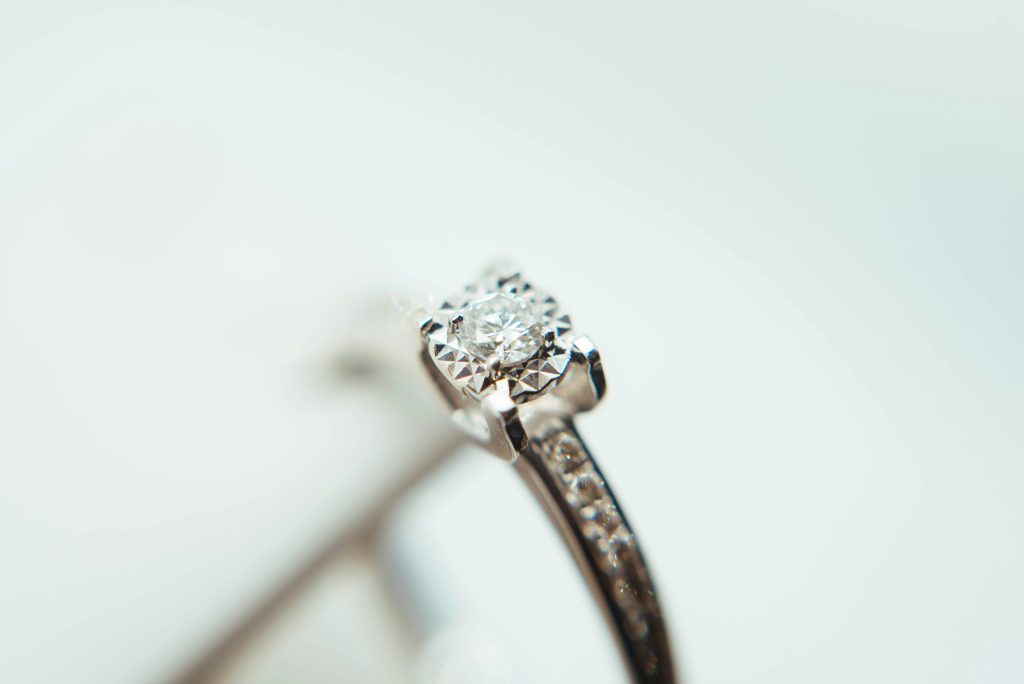
The girdle is the thin outer edge where the top and bottom parts of the diamond meet. If it’s too thin, it may chip more easily. If it’s too thick, unnecessary weight can hide there.
The culet is the tiny point or facet at the bottom of the diamond. Most modern diamonds have no visible culet, which is usually preferred.
The pavilion is the lower section below the girdle, while the crown is the upper section above it. Together, they control how light behaves inside the stone.
You may not memorize every term, and that’s fine. Even knowing what they generally mean gives you far more confidence than many first-time buyers have.
Why Understanding the Language Matters
Diamond grading reports don’t exist to impress people with technical jargon. They exist to create transparency.
When you understand the terminology, you gain control. You can compare diamonds beyond sales language, ask better questions, and recognize when marketing hype doesn’t match the facts.
For example, someone may advertise a “premium” diamond with strong sparkle. The grading report reveals whether that sparkle comes from excellent cut quality or just clever lighting in the showroom.
Knowledge also helps during resale, insurance discussions, and future upgrades. The report becomes a practical document, not just paperwork stuffed into a drawer.
In the diamond world, information is more valuable than guesswork. A grading report gives you that information—if you know how to read it.
Conclusion
Diamond grading terminology may seem intimidating at first, but it becomes much clearer once you understand the basics. Terms like cut, clarity, fluorescence, and girdle aren’t there to confuse you. They help describe what makes each diamond unique.
The smartest buyers don’t just look at sparkle under store lights. They read the report, understand the details, and make decisions based on facts rather than emotion alone.
A diamond may be forever, but confusion doesn’t have to be. Learn the language once, and every future decision becomes sharper, simpler, and much more confident.