info@leiser.co.uk


Diamonds may sparkle the same way under bright light, yet their economics tell two very different stories. A tiny diamond and a large diamond can come from the same mine, share similar clarity, and even display the same color grade, but their market value often sits worlds apart. That gap isn’t random. It reflects rarity, consumer demand, production costs, resale behavior, and the psychology of luxury itself.
If you’ve ever wondered why a one-carat diamond can cost far more than four quarter-carat stones combined, you’re already looking at the heart of diamond economics. Size changes everything. It affects pricing, supply chains, retail strategy, and even how buyers feel about their purchase. In many ways, the diamond market behaves like real estate—location matters there, and size matters here.
Understanding the financial difference between small and large diamonds helps buyers, investors, jewelers, and collectors make better decisions. It also reveals how value in luxury goods often depends less on usefulness and more on scarcity and perception.

Why Size Creates Such a Big Price Difference
At first glance, diamond pricing seems simple. Bigger stone, bigger price. However, the reality runs much deeper. Prices don’t rise in a straight line. They climb like a steep hill.
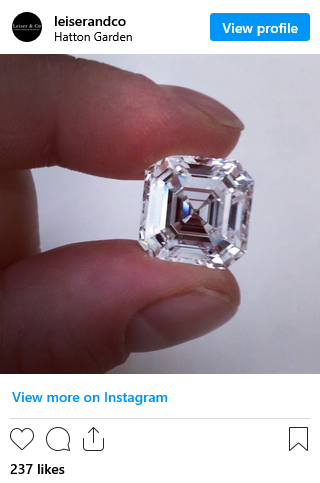
A two-carat diamond doesn’t simply cost twice as much as a one-carat diamond. It may cost three or four times more depending on quality. That happens because larger diamonds are much rarer in nature. Mining companies recover countless small stones, but large gem-quality crystals appear far less often.
Imagine searching for seashells on a beach. Small shells are everywhere. Perfect giant shells are rare treasures. Diamonds work much the same way. The rarity premium drives pricing upward, especially when the stone also meets strong standards for cut, clarity, and color.
This creates what traders often call the “size jump.” As diamonds cross major weight milestones—such as 0.50, 1.00, 1.50, or 2.00 carats—the price per carat often rises sharply. Buyers aren’t just paying for extra weight. They’re paying for rarity and status.
The Supply Side: Mining and Production Realities
Mining companies don’t simply decide to produce more large diamonds because the market wants them. Nature doesn’t take orders.
Most rough diamonds extracted from mines are small. Large rough stones are uncommon, and large rough stones with enough quality to produce fine polished gems are even rarer. That limited supply shapes the entire pricing structure.
Cutting also adds another layer of economics. A cutter handling a large rough stone faces higher risk. One mistake can erase thousands of dollars in value. Precision matters enormously. In contrast, smaller stones allow more flexibility and less financial danger during production.
For example, if a manufacturer cuts a large crystal poorly, the market penalty can be severe. Poor symmetry or a weak cut grade may slash value dramatically. With smaller stones, buyers often pay less attention to tiny imperfections, so the financial damage may be smaller.
Because of this, large diamonds require stronger planning, better craftsmanship, and more capital tied up for longer periods. That cost eventually reaches the final buyer.
Consumer Demand and the Psychology of Prestige
People don’t buy diamonds for utility. Nobody needs a diamond ring to open a door or cook dinner. Diamonds live in the emotional economy.
Large diamonds often symbolize status, celebration, and permanence. Engagement rings, anniversary gifts, and luxury collections all rely on emotional storytelling. A bigger stone becomes a visible signal. It says success without saying a word.
This social effect creates powerful demand for milestone sizes, especially one-carat and above. Many buyers fixate on crossing that threshold because it feels significant, even when a slightly smaller stone may look nearly identical.
Small diamonds serve a different purpose. They often support design rather than dominate it. Think of pavé settings, halo rings, tennis bracelets, or accent stones around a center gem. Their value comes from collective beauty rather than individual prestige.
It’s a bit like comparing a solo singer to a choir. One large diamond stands alone in the spotlight. Many small diamonds work together to create brilliance. Both can be beautiful, yet the economics differ because the emotional appeal differs.
Retail Pricing: Why Small Diamonds Can Be Surprisingly Expensive
Many buyers assume small diamonds must always be affordable. Sometimes they are. Sometimes they aren’t.
While large diamonds command high per-carat prices because of rarity, very small diamonds can carry high manufacturing and retail costs relative to their size. Sorting, matching, setting, and handling dozens of tiny stones requires labor. Jewelers don’t price only the gem itself—they price the work around it.
Take a pavé ring with dozens of small diamonds. Each stone may seem inexpensive alone, but the setting process is delicate and time-consuming. The final retail price reflects craftsmanship as much as material.
This creates an interesting paradox. A customer may pay a significant amount for jewelry containing many small diamonds, yet the resale value might remain modest because the market often discounts labor after purchase.
Large diamonds, on the other hand, retain stronger attention in resale markets because buyers focus on the center stone itself. The asset feels clearer and easier to evaluate.
Resale and Investment Considerations
Not every diamond should be treated as an investment. In fact, most retail diamond purchases behave more like luxury consumption than wealth building.
That said, large high-quality diamonds usually perform better in secondary markets than small commercial-grade stones. Collectors and private buyers often seek rare larger gems, especially those with strong certification and exceptional characteristics.
Small diamonds usually trade in bulk markets rather than prestige markets. Dealers may buy them by parcel, not by individual stone. This limits resale potential for the average consumer.
For example, selling a 0.10-carat accent diamond from a ring rarely attracts strong standalone interest. Selling a well-certified two-carat diamond can generate much more attention, provided the quality supports it.
Liquidity also matters. Large diamonds appeal to a narrower but more serious buyer pool. Small diamonds attract broader use in manufacturing but often lower individual value. One offers exclusivity. The other offers volume.
Neither path guarantees profit. The market shifts with fashion trends, lab-grown competition, and economic conditions. Still, from a pure resale standpoint, larger exceptional stones tend to hold stronger long-term positioning.
The Role of Lab-Grown Diamonds
Lab-grown diamonds have changed the economics of both small and large stones, though not in exactly the same way.
Small natural diamonds face strong pressure because lab-grown alternatives can offer similar visual appeal at far lower prices. For jewelry where sparkle matters more than rarity, many buyers now choose lab-grown options without hesitation.
This especially affects fashion jewelry and multi-stone designs. If the buyer values appearance over geological origin, small natural diamonds lose some pricing power.
Large diamonds tell a more complex story. Lab-grown large stones have also entered the market aggressively, yet buyers seeking prestige, rarity, or collectible value often still prefer natural stones. The emotional and symbolic difference remains important.
It’s like comparing an original painting to a perfect modern reproduction. Both may look beautiful on the wall, but collectors usually care about origin. In diamonds, provenance still shapes price.
As lab-grown supply expands, natural large diamonds may strengthen their luxury identity even further, while smaller natural stones may face sharper price competition.
Choosing Between Small and Large Diamonds
The better choice depends on the goal. There’s no universal winner.
If someone values bold presence, rarity, and stronger resale potential, a larger center stone may make more financial sense. It concentrates value in one place and often creates stronger market recognition.
If the goal is design flexibility, sparkle across a wider surface, or budget control, smaller diamonds may offer better practical value. A halo setting with smaller stones can create a dramatic visual effect without the cost of a massive center gem.
Buyers should also think beyond sticker price. Maintenance, insurance, certification, and future resale all shape the real economics. A bargain today can become an expensive lesson tomorrow.
Sometimes the smartest choice isn’t the biggest diamond. It’s the diamond that fits the purpose best.
Conclusion
The economics of small versus large diamonds reveal a simple truth: value isn’t only about weight. It grows from rarity, craftsmanship, psychology, and market behavior.
Large diamonds command higher prices because they are scarce, emotionally powerful, and easier to position as luxury assets. Small diamonds thrive through versatility, design impact, and accessibility, though their resale story often looks weaker.
Both segments matter deeply to the jewelry world. One creates prestige. The other creates possibility.
In the end, diamonds behave much like stories. A single unforgettable headline can capture attention, while many smaller details create lasting beauty. The market rewards both—it just rewards them differently.