info@leiser.co.uk

When most people look at a diamond, they notice the sparkle first. That flash of light, the rainbow reflections, and the crisp brilliance often create the “wow” moment. However, behind that beauty sits a technical detail many buyers overlook—symmetry. It may sound like a dry grading term, yet it plays a major role in how a diamond looks, performs, and holds value.
Diamond symmetry refers to how precisely the different facets of a diamond align and relate to one another. Think of it like architecture. If the windows on a building sit unevenly or the roof leans slightly to one side, the whole structure feels off. A diamond works the same way. Even tiny inconsistencies can affect how light travels through the stone.
Understanding symmetry helps buyers make smarter decisions. It also helps sellers explain why two diamonds with similar size and color may carry very different prices. While symmetry isn’t the only factor that matters, it often acts like the quiet backstage crew making the star shine brighter.
What Diamond Symmetry Actually Means
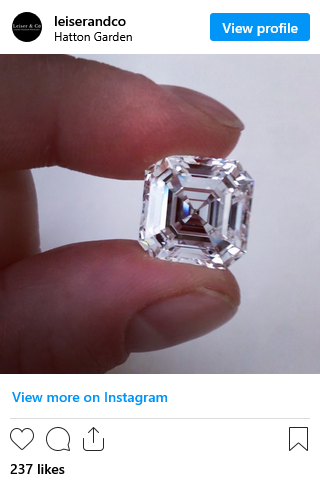
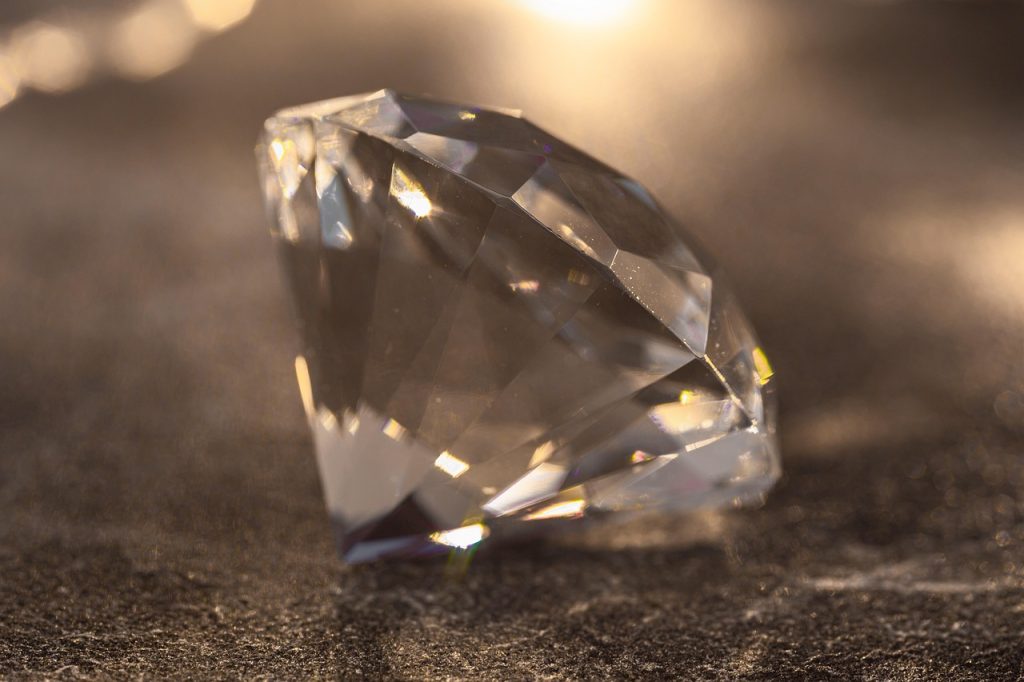
Symmetry measures the precision of a diamond’s cut pattern. It focuses on whether the facets match properly in size, shape, and placement. These facets are the flat polished surfaces that allow light to enter and reflect back to your eye.
Imagine slicing a pizza into perfect equal pieces. If one slice is huge and another looks like a skinny triangle, the pie feels uneven. In diamonds, poor symmetry creates a similar imbalance. Facets may appear misshapen, off-center, or misaligned.
Graders examine several details when judging symmetry. They look at whether the table facet sits in the center, whether the culet aligns properly, and whether the crown and pavilion facets match in proportion. They also inspect girdle thickness and the shape of the outline.
This process requires precision because many flaws are nearly invisible without magnification. To the naked eye, a diamond may still look beautiful. Under professional grading, though, even slight imperfections can affect the final symmetry grade.
How Symmetry Affects Sparkle and Light Performance
People often assume sparkle comes only from cleanliness or carat size. In reality, light performance depends heavily on cut quality, and symmetry supports that process. When facets line up correctly, light enters and exits in a balanced, lively way.
Picture a hall of mirrors. If every mirror points in the right direction, light bounces beautifully across the room. If several mirrors tilt awkwardly, the effect weakens. Diamonds behave in much the same way.
Poor symmetry can cause light leakage. Instead of reflecting back to your eye, light escapes through the sides or bottom of the stone. The result may look dull or uneven. You might notice dark patches, weaker brilliance, or an unbalanced pattern of reflections.
Excellent symmetry doesn’t automatically guarantee a breathtaking diamond, but it helps create the conditions for strong fire and brilliance. It acts like a well-tuned instrument. Without it, even the best materials struggle to perform at their highest level.
Symmetry Grades and What They Mean
Major grading laboratories such as the Gemological Institute of America use symmetry grades to describe the precision of a diamond’s structure. These grades usually range from Excellent to Poor.
An Excellent symmetry grade means the facets align with outstanding precision. The diamond shows minimal visible irregularities even under magnification. Very Good still reflects strong craftsmanship and often offers excellent visual appeal at a slightly lower price.
Good symmetry may still look attractive to many buyers, especially in smaller stones where imperfections remain hard to spot. Fair and Poor grades, however, often show more obvious issues that may affect appearance and value.
Here’s where things get interesting: many buyers chase “Excellent” automatically, but that isn’t always necessary. In some cases, a Very Good symmetry grade offers nearly identical beauty without the premium price tag. It’s a little like buying front-row concert tickets when row three gives the same view for less money.
Understanding the grade helps you avoid paying for a label rather than actual visible performance.
Symmetry Versus Cut: Why They’re Not the Same
People often confuse symmetry with cut, but they are not twins—they’re cousins. Cut is the broader category. It includes proportions, polish, symmetry, and how the diamond interacts with light overall.
Symmetry is only one piece of that puzzle. A diamond can have excellent symmetry but still have poor proportions. For example, if it is too deep or too shallow, light may still leak despite perfect facet alignment.
Likewise, a diamond with slightly lower symmetry may still perform beautifully if the overall cut quality remains strong. This is why experts often say cut should come first in your evaluation.
Think of baking a cake. Symmetry is how neatly you frost it and how evenly you decorate the top. Cut is the full recipe—ingredients, baking time, temperature, and structure. Pretty frosting helps, but if the cake is dry inside, nobody cares.
Buyers should view symmetry as part of the whole story, not the entire headline.
The Role of Symmetry in Diamond Value
Symmetry influences price because it reflects craftsmanship. A cutter must work with extreme accuracy to achieve high symmetry grades, and that precision takes time, skill, and sometimes material sacrifice.
If a cutter aims for perfect alignment, they may need to remove more rough diamond during the shaping process. That means less final carat weight and potentially higher production costs. Naturally, those costs often show up in the selling price.
Collectors and investors may place more importance on top symmetry grades, especially in larger or rarer stones. In luxury markets, small grading differences can lead to major price jumps.
For everyday buyers, though, the practical value depends on personal priorities. If visual beauty matters most, a Very Good grade may offer strong value. If long-term resale or prestige matters, Excellent symmetry may feel worth the extra investment.
The key is balance. Spending more should bring a meaningful benefit, not just bragging rights at the dinner table.
Why Shape Changes the Conversation
Symmetry matters in all diamonds, but its visibility changes depending on shape. In round brilliant diamonds, graders inspect symmetry with strict precision because the design depends heavily on balanced light return.
Fancy shapes like oval, pear, marquise, and heart cuts introduce additional visual concerns. In these shapes, symmetry affects not only brilliance but also overall appearance. A pear-shaped diamond with uneven shoulders or a crooked tip can look noticeably awkward.
Even small shape imbalances become easier to spot in elongated designs. An oval that leans too heavily to one side may look lopsided. A heart shape with uneven lobes can lose its charm fast.
This is where symmetry becomes emotional as well as technical. People react strongly to visual balance, even if they don’t know why. Your eye notices when something feels “off,” much like spotting a crooked picture frame on the wall.
That instinct makes symmetry especially important in fancy-cut diamonds.
How Buyers Can Evaluate Symmetry Smartly
You don’t need gemological training to make a good decision. Start by reading the grading report carefully and comparing symmetry with the overall cut grade. Don’t isolate one factor.
Next, look at the diamond in person if possible. Rotate it under different lighting conditions. Check whether the reflections look balanced and whether the shape feels visually centered. Trust your eyes, not just the certificate.
Ask for magnified images or videos when buying online. Many reputable sellers provide high-resolution views that reveal alignment details. This helps you spot issues like off-center tables or uneven outlines.
Also, compare price differences between grades. Sometimes the jump from Very Good to Excellent costs much more than the visual improvement justifies. Sometimes it doesn’t. Context matters.
A smart buyer treats symmetry like seasoning in cooking. Too little can hurt the final dish, but chasing perfection in every grain of salt may not improve dinner.
Conclusion
Diamond symmetry may not receive the same attention as carat weight or color, but it quietly shapes how a diamond performs and how people perceive its beauty. It influences brilliance, structure, visual balance, and even long-term value.
Rather than viewing symmetry as a mysterious technical term, it helps to see it as the hidden geometry behind sparkle. It supports the dance of light inside the stone and helps transform a polished crystal into something memorable.
For buyers, the goal isn’t always perfection. It’s understanding. Knowing how symmetry works allows better comparisons, smarter budgeting, and more confident choices. Whether you’re purchasing an engagement ring, building a collection, or simply learning about fine jewelry, symmetry deserves a closer look.
Sometimes the smallest details create the brightest shine.