info@leiser.co.uk

A diamond can look breathtaking in one room and surprisingly dull in another. You may notice this when a ring sparkles brilliantly under jewelry store spotlights but appears softer under office lighting or daylight. This change often surprises buyers, especially those who expect a diamond to shine the same way everywhere. The truth is, diamonds interact with light in complex ways. Their beauty depends not only on quality but also on the kind of lighting around them.
Light is the stage, and the diamond is the performer. Even the finest stone needs the right spotlight to show its full character. Some diamonds flash with sharp white brilliance under LED lights, while others reveal colorful fire under warm indoor bulbs. Certain cuts thrive in sunlight, while others look best under focused artificial light. Understanding why this happens helps buyers make smarter decisions and appreciate what they are actually seeing.
How Diamonds Handle Light
Diamonds don’t create light. They manage it. When light enters a diamond, it bends, reflects, and exits through the top of the stone. This process creates the sparkle people love. Gemologists usually divide this visual performance into three main effects: brilliance, fire, and scintillation.
Brilliance refers to the white light that reflects back to your eye. It gives a diamond that bright, mirror-like glow. Fire is different. It happens when light splits into spectral colors like tiny rainbows. Scintillation describes the flashes of light and dark you see when the diamond moves. Think of it as the sparkle’s rhythm.
A well-cut diamond balances all three. However, lighting conditions can favor one effect over another. In soft daylight, brilliance may dominate. Under strong spotlights, fire and scintillation often become more dramatic. This is why the same stone can seem to have two different personalities depending on where you view it.
Cut Quality Makes the Biggest Difference
If diamonds had a secret sauce, cut quality would be it. Many people focus first on carat size or clarity, but cut controls how well a diamond handles light. A poorly cut large diamond may look sleepy, while a smaller well-cut stone can look alive.
When cutters shape a diamond, they choose precise angles for the crown, pavilion, and table. These angles determine whether light escapes through the sides or returns to the viewer. If the proportions are too shallow or too deep, light leaks out. That means less sparkle and weaker visual impact.
For example, imagine sunlight bouncing inside a hall of mirrors. If the mirrors sit at the right angles, light reflects beautifully. If they tilt too much, the light escapes. Diamonds work in much the same way. Ideal proportions help light stay inside longer before it exits in a bright flash.
This is why excellent-cut diamonds usually perform better across different lighting environments. They are simply better at making the most of whatever light they receive.
Different Light Sources Create Different Results
Not all light is created equal. A diamond under candlelight behaves very differently than one under fluorescent office lights. The type, intensity, and direction of light all affect appearance.
Jewelry stores know this very well. They often use bright LED spotlights designed to make diamonds explode with sparkle. These lights create strong contrast and intense reflections. It’s like putting an actor under perfect stage lighting. Everything looks dramatic.
Daylight offers a broader and more natural light source. On a sunny day, a diamond may show balanced brilliance and cleaner white flashes. However, direct midday sunlight can sometimes overwhelm the eye because it is so intense. Soft morning or late afternoon light often reveals subtler beauty.
Fluorescent lighting, common in offices and shopping centers, can flatten a diamond’s appearance. It spreads light evenly and reduces dramatic sparkle. Incandescent lighting, on the other hand, tends to be warmer and can enhance fire by emphasizing color flashes.
Each lighting type tells a different story. A diamond that shines like fireworks under store lights may look calm and elegant at brunch.
Diamond Shape Also Changes Performance
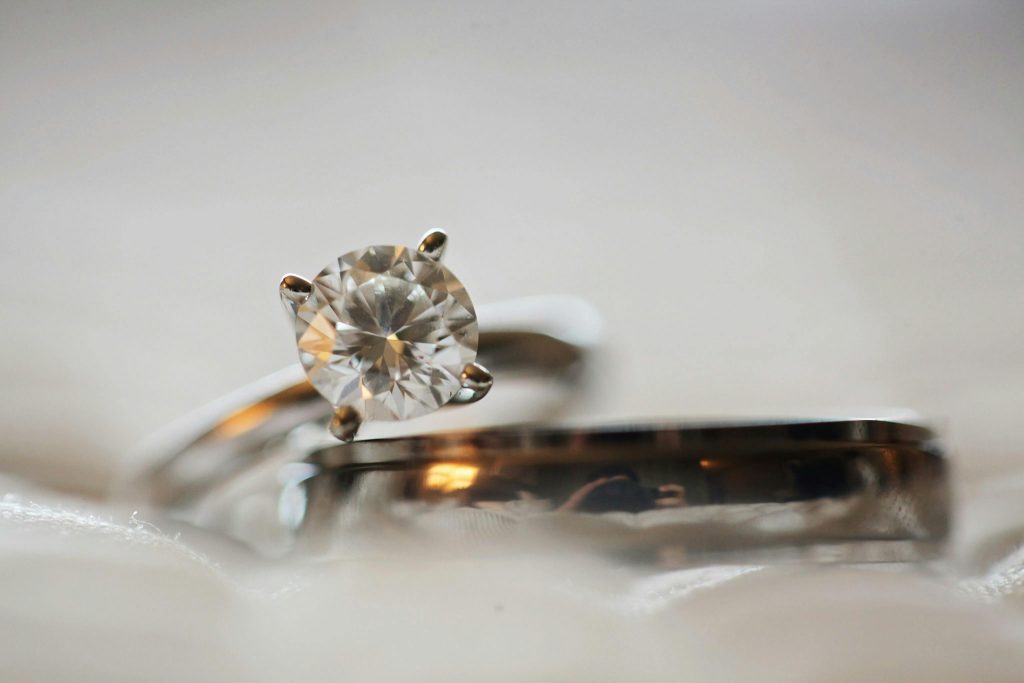
Shape matters more than many people realize. Round brilliant diamonds usually perform best in varied lighting because they have more facets designed specifically for light return. They are the overachievers of the diamond world.
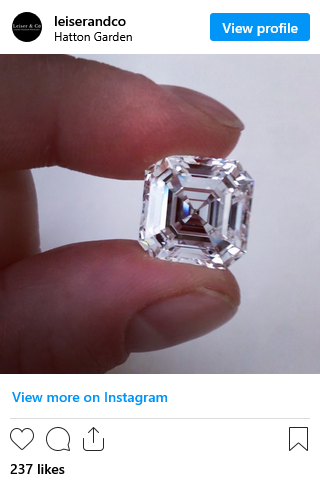
Fancy shapes such as oval, pear, marquise, and emerald cuts behave differently. Some prioritize elegance over maximum sparkle. For example, emerald cuts often produce broad flashes of light rather than tiny glittering sparkles. Their step-cut facets create a hall-of-mirrors effect, which looks sophisticated but less fiery.
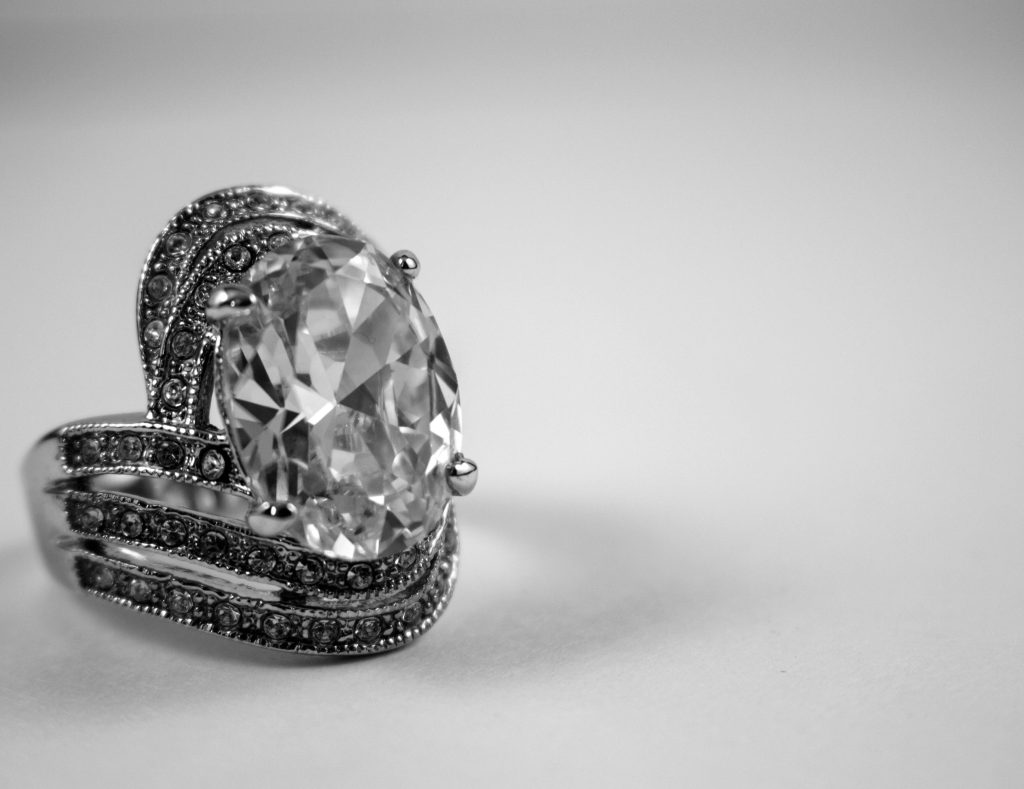
Oval and pear shapes can produce excellent brilliance, though they may show bow-tie shadows depending on the cut. Cushion cuts often display softer sparkle with romantic flashes rather than sharp brilliance.
This doesn’t mean one shape is better than another. It means different shapes perform differently under light. Choosing one depends on personal taste and where you expect to wear it most often.
Clarity and Color Play Supporting Roles
Cut leads the performance, but clarity and color still influence the final show. In certain lighting, inclusions become more visible. Strong direct light may highlight internal features, especially in larger diamonds. Softer lighting can hide them.
Color behaves similarly. A near-colorless diamond may appear perfectly white indoors but show a faint warmth in natural daylight. Lighting acts like an honest friend. It reveals details you may miss under showroom conditions.
For instance, warm yellow indoor lighting can make lower-color diamonds look richer and slightly creamier. Cool daylight often exposes yellow undertones more clearly. This is why buyers should examine diamonds under several lighting conditions before making a decision.
You wouldn’t buy paint for your living room based only on how it looks in a store aisle. Diamonds deserve the same common sense.
Fluorescence Can Change Appearance
Fluorescence adds another layer to the story. Some diamonds emit a soft glow, usually blue, when exposed to ultraviolet light. This effect often appears under sunlight or UV-rich environments.
In some cases, blue fluorescence can make a slightly yellow diamond appear whiter, which some buyers see as a bonus. In others, strong fluorescence may create a hazy or oily appearance, though this is less common.
Fluorescence is a bit like hot sauce. A little can improve the flavor for some people, while too much may not suit everyone’s taste. It depends on the individual diamond and personal preference.
Because of this, buyers should never judge fluorescence based only on a grading report. Seeing the diamond in real life matters far more.
Why Personal Preference Still Wins
Science explains a lot, but taste still sits at the head of the table. Some people love intense sparkle that feels like a disco ball. Others prefer soft flashes and elegant depth. Neither choice is wrong.
A person who works under office lighting all day may prefer a diamond that maintains steady brilliance in diffuse light. Someone who attends evening events might want stronger fire under spotlights and warm lighting. Lifestyle shapes preference more than people expect.
This is why comparing diamonds in real-world conditions matters. View them near a window. Step outside. Look under restaurant lighting if possible. A diamond should fit your life, not just the jewelry counter.
Beauty isn’t always about maximum sparkle. Sometimes it’s about the right kind of sparkle.
Final Thoughts
Some diamonds perform better in certain lighting because sparkle depends on more than the stone itself. Cut quality, shape, clarity, color, fluorescence, and the surrounding light all work together to create what your eye sees. A diamond is not a static object. It is a moving conversation between light and design.
The smartest buyers understand this and look beyond showroom drama. They compare diamonds under different lighting conditions and pay close attention to how each one feels in everyday life. After all, the goal isn’t to find the brightest diamond under store lights. It’s to find the one that still makes you smile on an ordinary Tuesday afternoon.
A truly beautiful diamond doesn’t just perform on stage. It knows how to shine in real life.