info@leiser.co.uk

Buying or selling a diamond often feels a bit like stepping into a room where everyone speaks a secret language. Terms like clarity, fluorescence, and symmetry fly around, and somewhere in the middle sits one document that can either protect your investment or quietly work against it—the diamond certificate.
Many people assume every diamond certificate carries the same weight. That’s like believing every passport office follows the same rules. They don’t. Some laboratories hold strict grading standards and a strong global reputation, while others use softer grading methods that can make an average diamond look far better on paper than it really is.
Understanding the difference between a strong and weak diamond certificate helps you avoid overpaying, strengthens resale value, and gives you confidence during negotiations. A certificate should work like a trustworthy referee, not a cheerleader trying to flatter the stone.
Let’s break down how to tell the difference.
What a Diamond Certificate Actually Does
A diamond certificate, often called a grading report, records the characteristics of a loose diamond. It evaluates the famous 4Cs—cut, color, clarity, and carat weight—along with additional details such as polish, symmetry, fluorescence, proportions, and measurements.
Think of it as the diamond’s report card. However, unlike school grades, not every teacher grades the same way. One lab may call a diamond VS1 clarity, while another might label that same stone SI1. That difference can mean hundreds or even thousands of dollars.
A strong certificate gives buyers confidence because the grading follows strict and consistent standards. A weak one may look impressive at first glance, yet it often inflates quality. That’s where trouble begins.
If the certificate stretches the truth, the market usually notices—even if the buyer doesn’t at first.
The Reputation of the Grading Laboratory Matters Most
The first thing to check is who issued the certificate. This is the heart of the matter.
Some laboratories have earned trust because they apply tight grading standards and maintain consistency. Others have developed a reputation for “softer grading,” which means they may assign better grades than stricquent labs would.
Among the strongest and most widely respected laboratories are the Gemological Institute of America (GIA), the American Gem Society (AGS), and in many international markets, HRD Antwerp. These names carry weight because dealers, auction houses, insurers, and buyers recognize their standards.
A certificate from GIA often functions like a gold standard. When someone sees it, fewer questions arise.
By contrast, lesser-known labs may sound official and impressive, yet their grading may not hold up under scrutiny. A diamond graded as F color by a weak lab might only qualify as H color under stricter examination. That gap affects value significantly.
In simple terms, a famous lab with a strict ruler is usually better than an unknown lab with a generous one.
Watch for Grades That Look Too Good
Sometimes a certificate looks almost suspiciously perfect. D color. Internally flawless. Excellent cut. Strong carat size. Attractive price.
That should trigger curiosity, not celebration.
When a diamond appears too good for the price, the certificate deserves closer inspection. Some weaker labs hand out premium grades like candy at a parade. The paper sparkles more than the stone.
For example, a seller might advertise a one-carat diamond with top-level grades at a bargain price. Buyers often think they found a hidden treasure. In reality, they may have found a grading shortcut.
Strong certificates tend to align with realistic market pricing. If the numbers and the price feel oddly mismatched, there’s usually a reason.
Diamonds rarely offer miracle discounts. If it looks like magic, it may be marketing.
Check for Full Grading Details, Not Just Basic Labels
A reliable certificate should provide depth, not vague praise.
Strong reports include exact measurements, crown and pavilion angles, table percentage, depth percentage, fluorescence intensity, polish, symmetry, girdle description, culet size, and often plotting diagrams that show inclusions.
Weak certificates sometimes stay frustratingly vague. They may focus heavily on headline grades while skipping technical details that professionals use to judge beauty and value.
Imagine buying a used car where the seller proudly says, “Runs great!” but refuses to show mileage, service history, or engine condition. That should make anyone nervous.
The same logic applies here.
Detailed reporting signals transparency. Thin reporting often signals caution.
Laser Inscription Verification Adds Confidence
Many strong certificates include a laser inscription on the diamond’s girdle. This tiny engraved number matches the certificate report number and helps confirm that the stone and the paperwork belong together.
It’s like matching a VIN number on a car.
Without this verification, someone could accidentally—or intentionally—pair the wrong certificate with the wrong diamond. That creates confusion and opens the door to fraud.
While not every excellent diamond must have an inscription, it adds an extra layer of security. Especially in higher-value purchases, that detail matters.
Trust is good. Verification is better.
Consistency Across the Trade Tells a Bigger Story
A certificate doesn’t live in isolation. Its real strength appears when professionals across the market respond to it.
Jewelry buyers, estate appraisers, insurance providers, pawn professionals, and auction specialists all tend to trust certain labs more than others. If a report consistently supports resale and valuation, it carries practical strength.
Weak certificates often lose power the moment the diamond enters resale. A buyer may say, “We don’t use that lab’s grades,” and suddenly the diamond’s value drops faster than expected.
That moment surprises many first-time buyers.
They thought they bought a top-grade diamond. The market thought otherwise.
A strong certificate helps protect against that unpleasant gap between expectation and reality.
Look Closely at the Language Used
Words matter.
Strong laboratories use precise technical terminology. Their reports remain factual, neutral, and restrained. They grade the diamond rather than trying to sell it.
Weak certificates may include promotional language, inflated replacement values, or flashy descriptions that sound more like advertising than gemology.
Phrases such as “suggested replacement value” can be especially misleading. Some labs attach inflated figures that make buyers feel they are getting an incredible deal.
A certificate should describe, not persuade.
If the report reads like a late-night infomercial, caution is wise.
Compare the Certificate With the Actual Diamond
Paper never replaces eyesight.
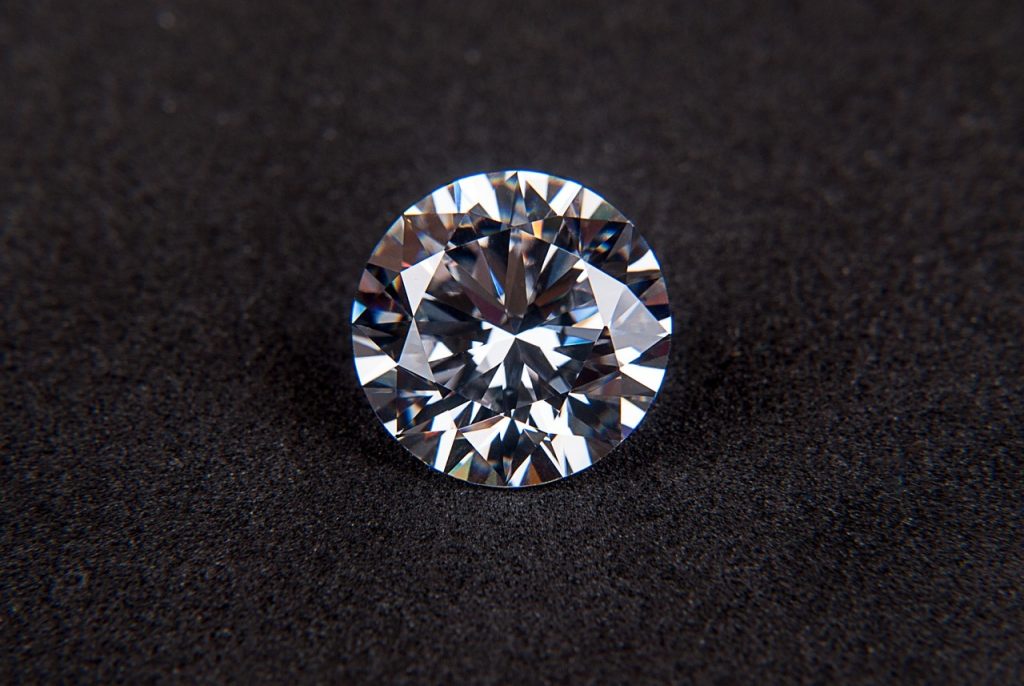
Even with a respected certificate, buyers should compare the report to the actual stone whenever possible. Does the diamond look eye-clean? Does the sparkle match expectations? Does the color appear consistent with the grade?
Sometimes the certificate is accurate, yet the buyer’s personal preference tells a different story. A strong SI1 may look better to one person than a poorly cut VS2.
The certificate provides structure, but beauty still lives in the eye of the beholder.
Think of the report as the map, not the destination.
Independent Verification Can Prevent Expensive Mistakes
When a purchase involves significant money, independent verification makes sense. An unbiased gemologist or appraiser can review both the diamond and the certificate before final commitment.
This step often feels unnecessary—until it saves someone thousands.
An independent expert can spot grading inflation, confirm authenticity, and explain details that many buyers overlook. It’s not about distrust. It’s about clarity.
Even experienced investors seek second opinions. Diamonds are too valuable for guesswork.
A little skepticism can be surprisingly profitable.
Final Thoughts on Strong vs. Weak Certificates
A diamond certificate should protect value, not create illusions. Strong certificates come from respected laboratories, offer detailed and consistent grading, and hold credibility across the trade. Weak certificates often rely on inflated grades, vague reporting, and persuasive language that benefits the sale more than the buyer.
When evaluating a diamond, the certificate should never be an afterthought. It often determines whether the stone remains a smart purchase or becomes an expensive lesson.
The smartest buyers don’t chase the prettiest paper. They look for accuracy, consistency, and trust.
In diamonds, as in life, the truth is usually worth more than the sparkle.