info@leiser.co.uk

Diamonds don’t always reach their full potential the first time they’re cut. While a stone might sparkle enough to catch the eye, subtle flaws in proportion or symmetry can hold it back from true brilliance. That’s where recutting enters the picture. It’s a precise process that reshapes an existing diamond to improve its appearance, and sometimes, its value. Still, recutting isn’t a casual decision. You’re literally removing part of the stone to enhance what remains. So, when does that trade-off make sense?
Understanding the balance between loss and gain is key. A well-executed recut can transform a dull stone into a lively one. However, not every diamond benefits from this process. The value lies in knowing when improvement outweighs sacrifice.
What Diamond Recutting Actually Involves
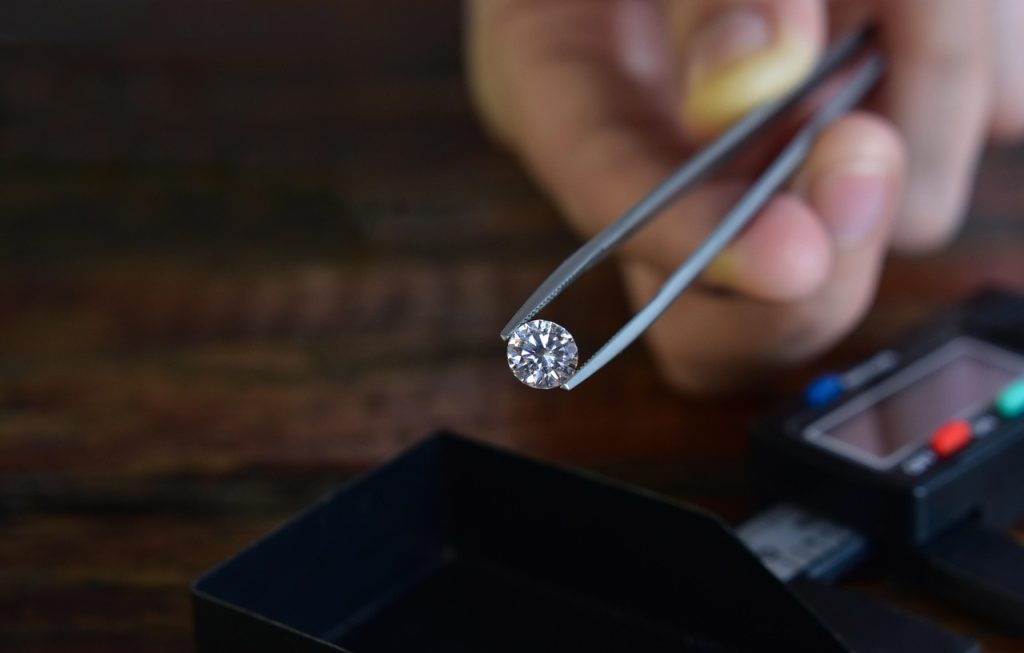
At its core, recutting means reworking a diamond’s proportions, facets, or symmetry. A skilled cutter studies the stone carefully before making any changes. They look at angles, light performance, and structural integrity. Then, they decide what adjustments could unlock more brilliance.
Sometimes the goal is simple. A slightly uneven girdle might need correction. Other times, the transformation is more dramatic. An outdated cut, like an old European style, may be reshaped into a modern brilliant cut to improve sparkle.
Think of it like restoring an old painting. The original beauty is there, though hidden under layers of imperfection. With careful work, that beauty can re-emerge. Still, every adjustment removes material. That loss is permanent.
Why Some Diamonds Benefit More Than Others
Not all diamonds respond equally to recutting. Some stones already sit near optimal proportions. Tweaking them won’t yield meaningful improvement. Others, especially older cuts or poorly executed ones, can gain significantly.
For example, diamonds cut decades ago often prioritized weight retention over brilliance. As a result, they may appear deep or uneven. Recutting these stones can dramatically improve how they reflect light. In contrast, modern diamonds with precise cuts usually offer limited room for enhancement.
Clarity also plays a role. If a diamond contains visible inclusions near the surface, recutting might remove or reduce them. That can improve the clarity grade. However, if inclusions run deep, the process may not help much.
Color rarely changes through recutting, though slight improvements in light performance can make a diamond appear brighter. It’s subtle, yet noticeable under the right conditions.
The Trade-Off: Weight Loss vs. Visual Gain
Here’s the central dilemma. Recutting always reduces carat weight. Even minor adjustments shave off small amounts of material. More aggressive changes can lead to significant weight loss.
Why does this matter? Because diamond pricing increases sharply at certain weight thresholds. Dropping below one of these benchmarks can lower the stone’s market value, even if it looks better.
Consider a diamond weighing 1.05 carats. If recutting brings it down to 0.95 carats, it may fall into a lower price category. The improved brilliance might not fully compensate for that loss in value.
That said, visual appeal often drives desirability. A well-cut 0.95-carat diamond can outshine a poorly cut 1.05-carat stone. In some cases, buyers prioritize beauty over size. This creates a nuanced equation where aesthetics and economics intersect.
Situations Where Recutting May Be Worth It
Certain scenarios tend to favor recutting. These situations share a common theme. The potential for improvement clearly outweighs the cost.
- Poorly Cut Diamonds
Stones with noticeable symmetry issues or dull light performance often benefit the most. A refined cut can unlock brilliance that wasn’t visible before. - Damaged Stones
Chips, scratches, or worn edges can reduce both beauty and durability. Recutting removes these flaws while restoring structural integrity. - Outdated Styles
Older cuts may lack the sparkle modern buyers expect. Transforming them into contemporary shapes can increase their appeal. - Clarity Improvement Opportunities
If inclusions sit near the surface, removing a small portion of the diamond might significantly enhance clarity.
Each case requires careful evaluation. The outcome depends on the diamond’s starting condition and the skill of the cutter.
When Recutting Might Not Make Sense
Despite its advantages, recutting isn’t always the right move. In some cases, it can do more harm than good.
If a diamond already has excellent proportions, further adjustments may offer minimal benefit. You’d lose weight without gaining noticeable brilliance. That’s rarely a worthwhile trade.
Stones near key weight thresholds also present challenges. Dropping below those levels can reduce value disproportionately. Even a small loss in carat weight can have a big financial impact.
Additionally, diamonds with deep internal inclusions may not improve through recutting. The process can’t remove flaws that run through the core of the stone. Attempting to do so might require excessive material removal, which defeats the purpose.
The Role of Expertise in Recutting Decisions
Recutting demands precision, experience, and advanced planning. A skilled cutter doesn’t just reshape the diamond. They visualize how light will travel through it after the transformation.
Modern technology helps. Tools like 3D modeling and light performance analysis allow experts to predict outcomes before making a single cut. This reduces risk and improves accuracy.
Still, human judgment remains essential. Every diamond has unique characteristics. A seasoned professional knows how to balance technical data with practical insight.
Choosing the right expert can make all the difference. The process leaves no room for error.
Emotional and Historical Considerations
Not every decision revolves around market value. Some diamonds carry sentimental weight. Family heirlooms, for instance, often hold more emotional significance than financial worth.
In these cases, recutting becomes a personal choice. You might want to modernize the appearance while preserving the essence of the original piece. Or perhaps you prefer to keep the diamond exactly as it is, imperfections included.
There’s no universal answer here. The right decision depends on what the diamond means to you.
Conclusion: Balancing Beauty, Value, and Risk
Diamond recutting sits at the intersection of art and science. It offers the chance to enhance beauty, though it comes with irreversible consequences. Removing material can unlock brilliance, yet it also reduces size.
The decision ultimately depends on context. A poorly cut or damaged diamond may benefit greatly from recutting. On the other hand, a well-proportioned stone might lose more than it gains.
Careful evaluation is essential. By weighing visual improvements against potential losses, you can better understand whether recutting makes sense. It’s not just about what the diamond is today. It’s about what it could become.