info@leiser.co.uk

When you look at a diamond, the first thing you notice isn’t the carat weight or the certificate. It’s the shape. Shape creates the diamond’s personality. It controls how light dances across the surface and how large the stone appears on your hand. Because of that, shape plays a major role in both price and popularity.
Many buyers assume price depends only on size and quality. That’s only part of the story. The outline of the stone influences how much rough diamond gets lost during cutting, how fashionable the design feels, and even how easily it fits into jewelry settings. In other words, shape doesn’t just affect appearance. It shapes market value.
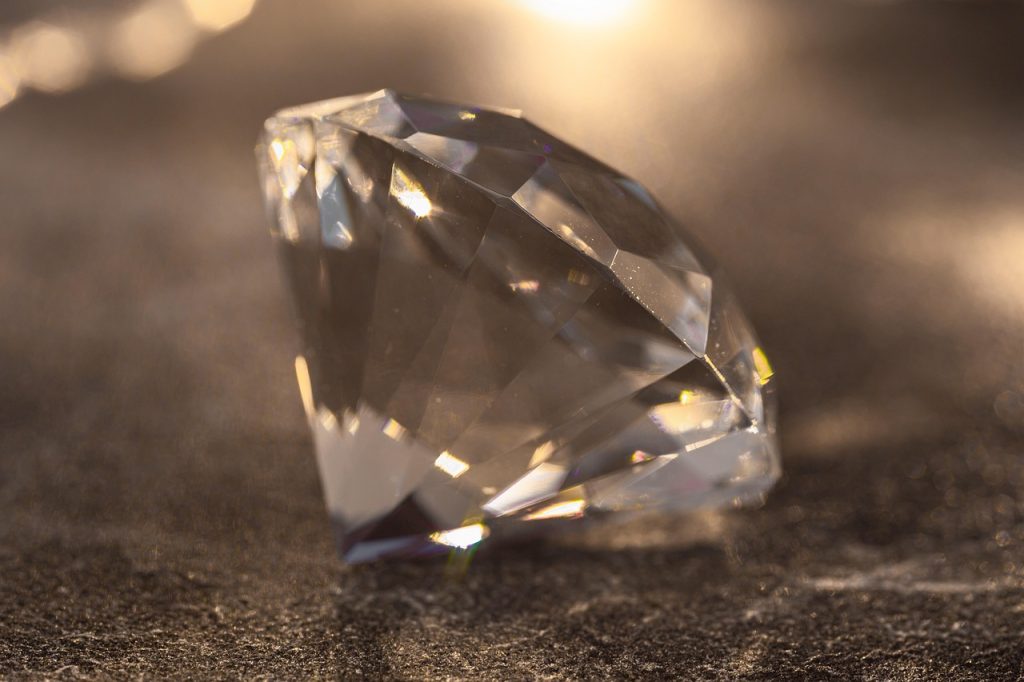
Round Brilliant: The Benchmark of Demand
The round brilliant cut dominates the global diamond market. In fact, the modern round brilliant was refined by Marcel Tolkowsky in 1919 to maximize light return. His mathematical approach transformed the industry. Today, round diamonds account for the largest share of engagement ring sales.
Why are they more expensive? Two main reasons stand out.
First, cutters sacrifice more rough material to achieve a perfect round shape. When they carve a round brilliant from a rough stone, they often lose a significant portion of the original weight. Less yield means higher cost per finished carat.
Second, demand drives pricing upward. Since buyers consistently choose round diamonds, suppliers price them at a premium. Think of it like prime real estate. Everyone wants it. That competition keeps prices strong.
Round diamonds also reflect light more efficiently than most other shapes. Their 58 facets create intense sparkle. Because brilliance strongly influences buying decisions, popularity remains high.
Fancy Shapes: Style Meets Efficiency
Any diamond that isn’t round falls into the “fancy shape” category. This includes oval, cushion, emerald, pear, princess, marquise, radiant, and heart shapes. Unlike round stones, many fancy cuts preserve more of the rough diamond during shaping.
Take the oval cut, for example. It elongates the finger and often appears larger than a round diamond of the same carat weight. Because cutters retain more material, oval diamonds usually cost less per carat than rounds of similar quality.
Cushion cuts offer a soft square outline with rounded corners. Their romantic, vintage appeal has made them increasingly popular in recent years. Meanwhile, emerald cuts emphasize clarity over sparkle. Long, step-cut facets create a hall-of-mirrors effect. These shapes appeal to buyers who value elegance over brilliance.
The princess cut deserves special mention. Its square shape allows efficient use of rough crystals, especially octahedral stones. That efficiency often translates into lower prices compared to round diamonds of equal carat and grade.
How Shape Impacts Perceived Size
Here’s something many buyers don’t expect. Two diamonds with identical carat weight can look very different in size depending on shape.
Elongated shapes such as oval, marquise, and pear distribute weight across a longer surface area. As a result, they may appear larger face-up. Round and cushion shapes tend to concentrate weight more centrally, which can make them appear slightly smaller.
This visual spread affects popularity. If you want maximum finger coverage without increasing budget, elongated shapes often deliver better value. Buyers frequently gravitate toward shapes that create the illusion of greater size.
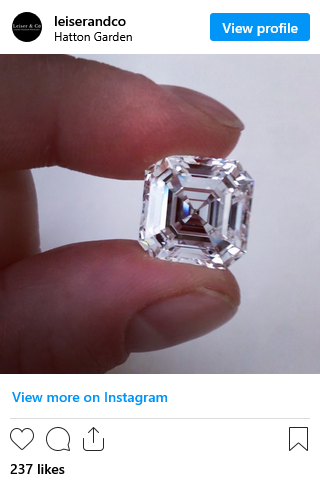
However, perception isn’t everything. Certain shapes may show inclusions more clearly. Step-cut shapes like emerald and Asscher have broad, open facets. They don’t hide flaws as easily as brilliant-cut stones. That visibility can influence price because higher clarity grades become more desirable.
Market Trends and Cultural Influence
Diamond shape popularity changes over time. Trends move in cycles. Social media, celebrity engagements, and fashion designers all influence buyer preferences.
For instance, when public figures showcase oval or cushion-cut engagement rings, demand often rises. As demand increases, prices may follow. This pattern mirrors fashion trends in clothing. What feels modern today might feel classic tomorrow.
Round diamonds remain consistently popular due to tradition. Many buyers associate them with timeless elegance. However, younger buyers increasingly explore distinctive shapes that feel unique and expressive.
Cultural factors also matter. Some regions prefer bold, angular shapes. Others favor softer, romantic silhouettes. Jewelers track these shifts closely because shape demand directly affects inventory strategy and pricing models.
Price Differences by Shape: A General Comparison
While exact prices depend on quality factors, you can observe general pricing patterns across shapes.
| Shape | Rough Yield Efficiency | Typical Price vs Round | Popularity Level |
|---|---|---|---|
| Round | Low | Highest | Very High |
| Oval | Moderate to High | 10–20% Less | High |
| Cushion | Moderate | 10–25% Less | High |
| Princess | High | 10–30% Less | High |
| Emerald | High | 15–35% Less | Moderate |
| Marquise | High | 20–40% Less | Moderate |
| Heart | Moderate | Varies Widely | Niche |
These ranges fluctuate based on market supply and consumer demand. However, round diamonds consistently command premium pricing due to both cutting loss and demand pressure.
Psychology Behind Shape Preference
Shape selection often reflects personality. Round diamonds communicate tradition and reliability. Emerald cuts suggest confidence and refinement. Pear shapes feel bold and unconventional.
Buyers don’t always analyze these signals consciously. Still, they respond emotionally. When someone says a diamond “just feels right,” shape usually plays a major role.
From a pricing standpoint, emotional demand strengthens certain shapes. If a large portion of the market suddenly prefers a particular cut, wholesalers adjust pricing. Supply chains respond quickly to sustained shifts in demand.
Balancing Popularity and Value
If you compare diamonds strictly by numbers, round stones often cost more. Yet popularity doesn’t always equal better value. Fancy shapes may offer larger appearance for lower price per carat.
That doesn’t mean one shape is objectively superior. Instead, it highlights how economics and aesthetics intersect. Cutting efficiency, light performance, fashion trends, and emotional appeal all work together to shape price.
When you evaluate diamond shapes, you’re not just choosing an outline. You’re stepping into a complex marketplace shaped by mathematics, craftsmanship, psychology, and culture.
In the end, shape acts as both artistic expression and economic driver. It determines how much light you see. It influences how much you pay. And perhaps most importantly, it shapes how others perceive the stone.